What Is a Weighted Blanket, Really?
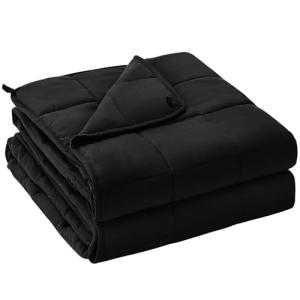
At first glance, a weighted blanket looks like any other blanket. It's soft, cozy, and sits at the end of your bed. But pick one up, and you'll immediately notice the difference — there's real heft to it. That weight isn't an accident. It's the whole point.
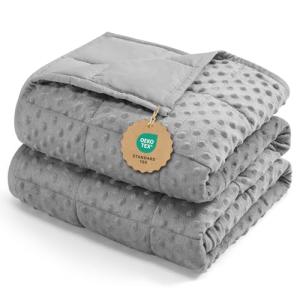
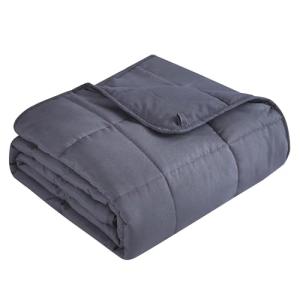
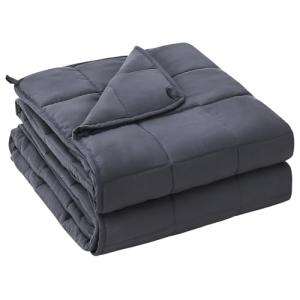
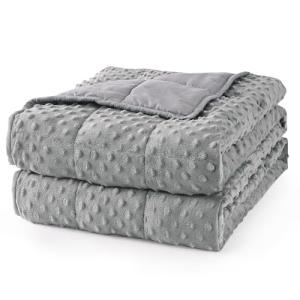
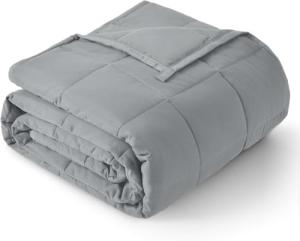
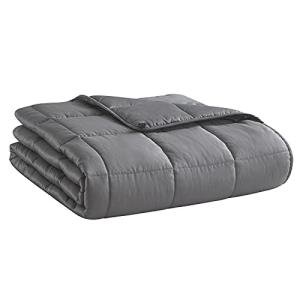
Weighted blankets are filled with small materials — typically glass beads, plastic pellets, or sometimes steel beads — sewn into grid-like pockets across the blanket to keep the weight distributed evenly. Most options on the market weigh somewhere between 5 and 30 pounds, though the sweet spot for most adults lands between 12 and 20 pounds. The idea is simple: wrap yourself in something genuinely heavy, and your nervous system starts to settle down. You feel grounded, calm, and a little less like your brain is running a marathon at midnight.
They've actually been used in occupational therapy and psychiatric settings for decades. It's only relatively recently that they found their way into everyday bedrooms — and once people started using them at home, the word spread fast.
How They Work: The Science Behind the Weight
The magic behind weighted blankets comes down to something called deep pressure stimulation (DPS). Think of how it feels to get a firm hug from someone you trust, or how babies calm down when they're swaddled snugly. That's essentially what a weighted blanket replicates.
When even pressure is applied across your body, your nervous system responds. Specifically, it tends to shift away from the "fight-or-flight" mode (the sympathetic nervous system) and toward the "rest-and-digest" mode (the parasympathetic nervous system). Your heart rate slows. Your breathing steadies. Your muscles let go of tension you didn't even realize you were holding.
On a chemical level, deep pressure stimulation has been linked to increased production of serotonin and dopamine — the neurotransmitters associated with feeling good, calm, and content. At the same time, it helps reduce cortisol, the stress hormone that tends to spike when anxiety takes over. Some research also suggests that using a weighted blanket in the evening can support the body's natural melatonin production, which is the hormone that signals it's time to sleep.
Put simply: your body interprets the weight as safety. And when your body feels safe, it actually lets you rest.
Who Benefits Most from a Weighted Blanket?
Honestly? A lot of people. Weighted blankets aren't just for those with diagnosed conditions — plenty of perfectly healthy adults simply sleep better under one. But there are certain groups who tend to experience particularly noticeable benefits.
People with anxiety are probably the most commonly mentioned. The grounding sensation of a weighted blanket can interrupt the restless, racing-thought cycle that often makes falling asleep feel impossible. Studies have explored weighted blanket use in high-stress medical contexts — including with patients undergoing chemotherapy — and found meaningful reductions in anxiety levels.
Those with insomnia often find that the added pressure helps their body shift into sleep mode more reliably. If you're someone who lies awake watching the minutes tick by, the physical weight can act as a kind of external "off switch" for an overactive mind.
Autistic individuals and people with sensory processing differences have long used weighted blankets as a sensory regulation tool. The proprioceptive input — the pressure on joints and muscles — helps with body awareness and creates a sense of calm in nervous systems that can be easily overwhelmed by the world. Research consistently supports weighted blankets as a helpful tool for improving sleep and daily regulation in people with autism spectrum disorder.
People with ADHD also report benefits. The weight and the sensation of being "held in place" can reduce nighttime restlessness, improve sleep quality, and make it easier to wind down after a high-energy day. Parents of children with ADHD have noted improvements not just in sleep, but in daily functioning and mood.
Chronic pain sufferers are another group that weighted blankets can genuinely help. Deep pressure stimulation has been shown to reduce pain perception in some individuals, and the warmth combined with even compression can ease muscle tension and discomfort.
Beyond these groups, weighted blankets are also used by people with PTSD, depression, restless leg syndrome, and those recovering from high-stress periods. Even if you don't identify with any specific condition, if you're someone who just carries a lot of tension — if you're the type to wake up with tight shoulders or a clenched jaw — a weighted blanket might surprise you.
Choosing the Right Weight
This is the question everyone asks, and thankfully it has a pretty clear answer: aim for roughly 10% of your body weight.
So if you weigh 70 kg (about 155 lbs), look for a blanket in the 6–7 kg (13–15 lbs) range. If you weigh 90 kg (around 200 lbs), something in the 8–10 kg (17–20 lbs) range is a good starting point. Most manufacturers offer guidelines, and many sell blankets in multiple weights to accommodate different users.
That said, 10% is a guideline, not a law. Some people prefer going slightly lighter — especially if they're new to weighted blankets and want to ease in gradually. Others prefer a bit more pressure. The right weight is ultimately the one that makes you feel comfortably hugged without feeling pinned down or restricted.
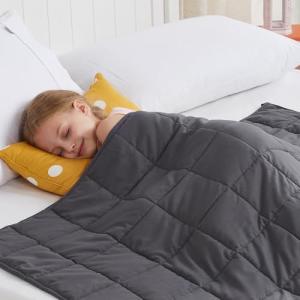
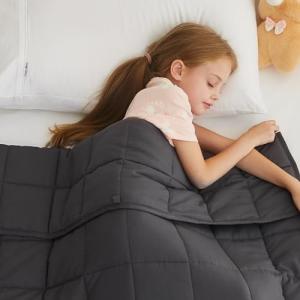
One important note for families: for children, the blanket should weigh no more than 10% of their body weight, and weighted blankets are not recommended at all for children under two years of age. Always check with a pediatrician or occupational therapist before introducing one to a young child.
Materials and Construction: What to Look For
Not all weighted blankets are created equal, and the outer material makes a huge difference in how comfortable the blanket actually is to sleep under.
Cotton is the classic choice. It's breathable, durable, easy to wash, and has a familiar, neutral feel. Cotton-shell weighted blankets tend to work well for most sleepers and in most seasons.
Bamboo viscose has become increasingly popular, particularly for those who sleep warm. Bamboo is naturally temperature-regulating — it wicks moisture and allows air to circulate — so you get the grounding pressure without overheating. It also tends to feel incredibly soft against the skin and has natural hypoallergenic properties, which is useful for anyone with sensitivities.
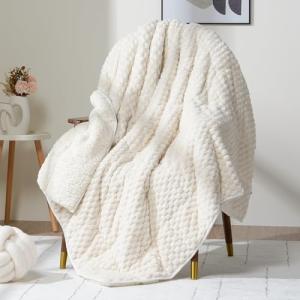
Knitted weighted blankets take a different approach entirely. Instead of using bead-filled pockets, they're made from thick, chunky yarn that creates weight through the density of the fabric itself. They have a completely different texture — more open and tactile — and a more casual, lifestyle aesthetic. These are popular as couch blankets or throws, though they don't always distribute weight as precisely as their bead-filled counterparts.
Removable covers are worth considering seriously, especially if you plan to use the blanket every night. Some blankets come with a zippered duvet cover that you can remove and wash on its own, while the weighted inner layer only needs occasional cleaning. This makes maintenance a lot more manageable, since many weighted blankets are heavy enough to require a commercial washer for the full unit.
Size Matters (And So Does Coverage)
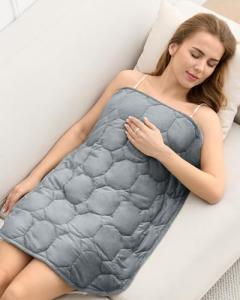
Unlike a regular comforter, a weighted blanket works best when it covers your body rather than draped over an oversized bed. If you're shopping for a single sleeper, a throw-sized or twin-sized blanket is usually more effective than trying to cover a whole king bed — the weight spreads out too much and you lose the therapeutic pressure.
Most people find that a blanket that covers from their shoulders to their feet is the ideal range. You want the weight on your body, not hanging off the sides of the mattress.
For couples who both want the benefits, the easiest solution is usually two individual blankets rather than one shared one. This lets each person choose the right weight for their own body, and avoids the classic blanket tug-of-war.
A Few Things to Keep in Mind
Weighted blankets are safe for most adults, but there are some situations where caution — or a conversation with a doctor — is warranted. People with sleep apnea, asthma, claustrophobia, or certain cardiovascular conditions should check with a healthcare provider before using one. The extra weight can feel restrictive to some, and for people with breathing difficulties it may not be appropriate.
It's also worth knowing that most people need a few nights of adjustment. The first time you sleep under a weighted blanket can feel surprisingly different — more intense than expected. That's normal. Give it a week before deciding whether it's working for you.
Finally, be realistic about expectations. Weighted blankets are a genuine sleep and wellness tool, but they're not a cure for chronic insomnia or clinical anxiety on their own. Think of them as part of a broader approach to better sleep hygiene and stress management — a really excellent part, but still just one piece.
Why People Keep Coming Back to Them
There's a reason weighted blankets went from a niche occupational therapy tool to a mainstream bedroom staple in a relatively short time. They work, at least for a lot of people. And they work in a way that's immediate and tangible — you feel the difference the first night you try one.
In a world full of apps, supplements, and gadgets all promising better sleep, there's something genuinely refreshing about a solution this analog. It's just weight. It's just pressure. It's the same reason you feel calmer when someone gives you a real hug, or why a heavy duvet on a cold night feels safer than a thin one.
Whether you're dealing with genuine anxiety, struggling with sleep, managing sensory sensitivities, or simply want something that makes the end of a long day feel a little more settled — a weighted blanket is one of those rare purchases that tends to earn its keep.
Quick Buyer's Summary
- Weight: Target 10% of your body weight (5–12% range is acceptable)
- Material: Cotton for versatility; bamboo viscose for hot sleepers; chunky knit for casual use
- Size: Should cover your body, not your entire bed
- Construction: Look for even bead distribution and, ideally, a removable/washable cover
- Who it's for: Adults and children over 2 — great for anxiety, insomnia, ADHD, autism, sensory processing differences, and chronic stress
- Who should consult a doctor first: People with sleep apnea, asthma, claustrophobia, or cardiovascular conditions