What Makes a Wearable Blanket Different From a Regular One?
A standard blanket does one thing well: it covers you when you're lying still. The second you move — to answer a text, walk to the bathroom, or let the dog out — it slides off, bunches up, or wraps around your legs like a trap. We've all done the awkward blanket-shuffle across the living room floor.
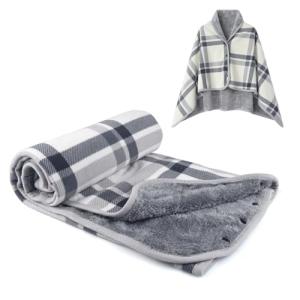
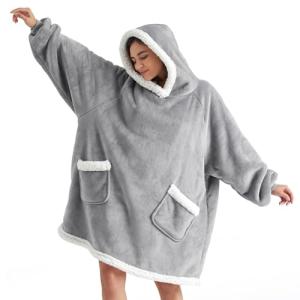
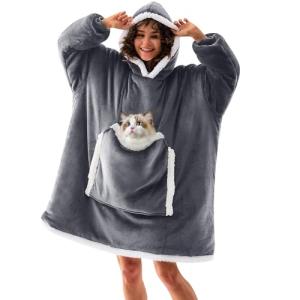
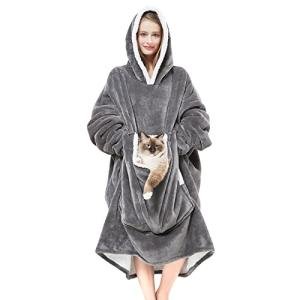
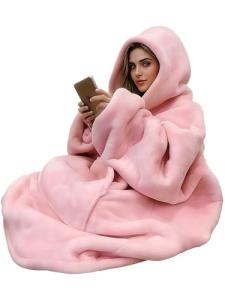
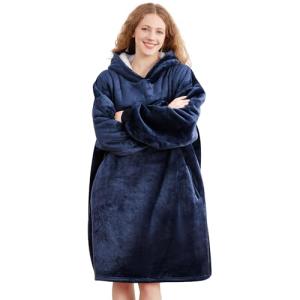
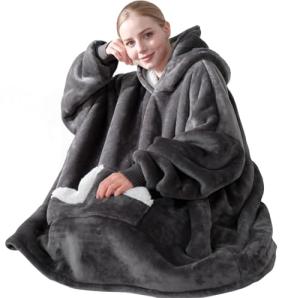
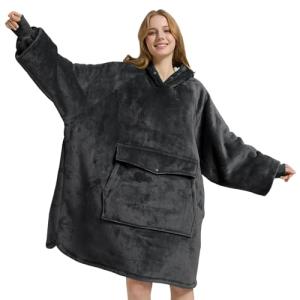
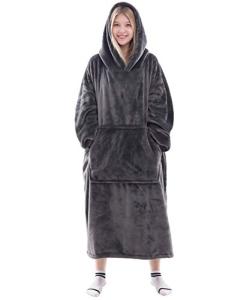
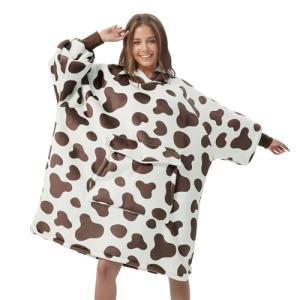
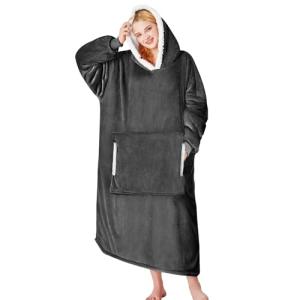
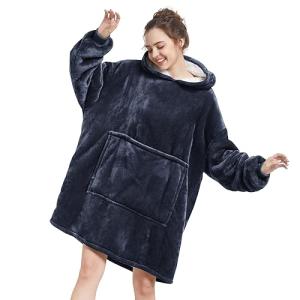
Wearable blankets fix this with simple but clever design features. Most have armholes, wide sleeves, or a wrap-style front that lets your arms move freely without exposing your body to the cold. Many have hoods for extra warmth around the head and neck. Some feature a single large kangaroo-style pocket at the front — perfect for warming your hands or stashing your phone. Others have open bottoms with enough room to walk comfortably, or foot pockets that keep your toes warm even when you're sprawled across the couch.
The result is full-body coverage that actually stays put. You can pour a cup of tea, type on a laptop, fold laundry, or take a phone call without losing your warmth. That freedom is the whole point.
Who Actually Uses Wearable Blankets?
The honest answer: pretty much everyone. While they started as a novelty item for cold-weather lounging, wearable blankets have found a loyal following across a surprisingly wide range of people and situations.
Home workers and remote professionals swear by them during winter months when heating bills spike and sitting at a desk all day gets chilly. A wearable blanket over your regular clothes adds a layer of warmth without the bulk of a heavy sweater, and you can wear it straight through from your morning coffee to your last Zoom call of the day.
Students love them for studying, especially in drafty dorms or apartments where landlords seem to have a personal grudge against adequate heating. Being able to move between desk, bed, and common areas without unwrapping yourself makes late-night study sessions considerably more bearable.
Parents of small children appreciate that a wearable blanket keeps them warm during the endless sitting-on-the-floor phases of early parenthood — building block towers, reading picture books, watching the same cartoon for the fortieth time. Getting up and down from the floor doesn't mean going cold.
Older adults find them genuinely practical. As we age, staying warm becomes less of a comfort preference and more of a genuine need. A wearable blanket provides consistent warmth throughout the body without the hazard of loose fabric trailing underfoot.
Outdoor enthusiasts use them for camping, watching sports, or sitting around a fire pit in the evening. There are even waterproof and weather-resistant versions designed specifically for outdoor use.
And then there's the rest of us — people who just really like being warm and comfortable and see no reason to apologize for it.
Materials: What Are Wearable Blankets Made Of?
The fabric makes all the difference when it comes to how a wearable blanket feels and performs. Most fall into a few main material categories, each with its own strengths.
Sherpa and Fleece
Sherpa-lined fleece is probably the most popular choice for wearable blankets, and it's easy to see why. The outer layer is soft brushed fleece — lightweight, warm, and easy to care for. The inner lining is sherpa, that thick, fluffy material that looks like a sheep just donated it. Together, they create a blanket that feels like being hugged by something very soft and very warm.
Fleece wearable blankets are machine washable, dry quickly, and hold up well to repeated use. They're the workhorse of the category: reliable, comfortable, and available at every price point.
Minky and Plush Fabrics
For people who want maximum softness, minky fabric is a step up. It's a type of polyester knit with an incredibly plush, velvet-like pile that feels almost absurdly luxurious against the skin. Minky wearable blankets are heavier and denser than fleece, which makes them better for serious cold-weather warmth but slightly less ideal if you want to move around a lot.
Waffle Knit and Cotton Blends
Not everyone wants a thick, fluffy wearable blanket. For those who run warm or live in milder climates, waffle knit and cotton-blend options provide a lighter layer of comfort — more like a cozy wrap than a cocoon. These are breathable, easy to layer, and often more stylish in appearance, with a textured weave that looks intentional rather than purely functional.
Weighted Options
Weighted wearable blankets are a newer development and a genuinely useful one. They use the same principle as weighted blankets — evenly distributed weight across the body creates a gentle, calming pressure. For people who find deep pressure soothing (particularly those dealing with anxiety, sensory sensitivities, or sleep difficulties), a weighted wearable blanket offers that comfort without having to stay in bed.
Sizing and Fit: Getting It Right
Wearable blankets aren't one-size-fits-all, even when they're sold that way. Here's what to actually think about when choosing a size.
Body coverage is the main consideration. A wearable blanket should reach at least to your mid-calf when you're standing, and ideally all the way to your ankles. Anything shorter and you lose the warmth around your lower legs. If you're tall, look specifically for options labeled "tall" or check the length measurements before buying — many standard sizes fall short (literally) for anyone over about 5'10".
Sleeve width and arm openings matter more than people expect. Arms that are too narrow restrict movement and make the whole thing feel like a straitjacket. Look for wide, roomy sleeves or generous armholes. If you're planning to use a laptop or do detailed handwork, wider is always better.
Fit around the shoulders determines whether the blanket stays in place or keeps slipping. Some wearable blankets have a more structured shoulder area that keeps them from sliding down. Others rely entirely on the wearer keeping their arms close to their body. The former is generally more practical.
Children's sizing is its own category. Kids' wearable blankets are typically shorter, narrower, and made with softer, gentler fabrics. Many feature fun patterns and characters. They also need to be checked for safety — no loose ties or drawstrings near the face, and flame-resistant fabrics are worth looking for.
Features Worth Looking For
Once you've settled on a material and size, it's the details that separate a great wearable blanket from a merely adequate one.
Pockets are practically non-negotiable. A single large kangaroo pocket at the front is the most common design, and it works well for hands, phones, TV remotes, and snacks. Some designs add smaller side pockets or even hidden interior pockets. The more pocket space, the better.
Hoods add meaningful warmth on cold days and a sense of full envelopment that a lot of people find comforting. A hood that can be pushed back when not needed gives you the best of both options.
Closures — buttons, zippers, snaps, or wrap-ties — affect how easy it is to get in and out of the blanket quickly. If you anticipate needing to take it on and off frequently, a simple open front is more practical than something you have to fully button up each time.
Non-slip elements on the bottom edge or interior help keep the blanket in place when you're sitting. Some designs include subtle grip strips along the hem to prevent bunching underfoot.
Care instructions are worth checking before buying. Most wearable blankets are machine washable, but some require gentle cycles or air drying to maintain their softness. If you plan on heavy daily use, choose something that can handle regular washing without degrading quickly.
Wearable Blankets as Gifts
Few gifts land as reliably as something genuinely warm and comfortable. Wearable blankets have become a go-to gift for a reason — they're practical, immediately enjoyable, and feel like a thoughtful choice rather than a generic one.
They work across almost every gifting occasion: birthdays, Christmas, housewarming parties, care packages for college students, gifts for new parents who are about to spend a lot of time sitting still while holding a sleeping baby. They're also one of the few categories where there's almost no risk of the wrong size being catastrophic — most styles are forgiving in fit, and a slightly oversized wearable blanket is usually more comfortable than one that fits exactly.
For a more personal touch, consider matching the fabric style to the recipient. A minimalist who keeps their home warm might prefer a lightweight waffle-knit style. Someone who runs cold and lives in a drafty Victorian house probably wants the heaviest sherpa-lined option you can find. Someone dealing with stress or anxiety might genuinely benefit from a weighted version.
Caring for Your Wearable Blanket
A good wearable blanket should last for years if you treat it right. Here are the basics.
Wash in cold or warm water on a gentle cycle. Hot water can break down the fibers and cause pilling, especially in sherpa and plush fabrics. Turn the blanket inside out before washing to protect the softer outer surface.
Tumble dry on low heat, or air dry if you have the time. High heat is the enemy of fluffy fabrics — it melts synthetic fibers at the microscopic level and permanently flattens the pile. A few dryer balls in the drum help restore fluffiness and reduce drying time.
Avoid fabric softeners on sherpa and minky fabrics. It sounds counterintuitive, but fabric softener actually coats the fibers in a way that makes them feel less soft over time. These materials stay plushest when washed with just a mild detergent.
Store loosely folded or hanging — not tightly compressed in a vacuum bag. Fabrics with pile or loft need air to maintain their texture.
Finding the Right Wearable Blanket for You
The best wearable blanket is ultimately the one that fits your actual life. If you spend most of your time at a desk, prioritize arm mobility and sleeve design. If you're mostly on the sofa, focus on length and warmth. If you run hot, go lighter. If you're always cold, go heavier and look for sherpa lining and a good hood.
Think about where you'll wear it — if it's just for home use, any style works. If you're planning to wear it outdoors at sporting events or around a campfire, look for something that's easy to move in and maybe water-resistant.
And don't underestimate how much you'll actually use one. Most people who buy a wearable blanket are surprised by how quickly it becomes part of their daily routine — not just a once-in-a-while cozy treat, but a genuine staple of cold days and comfortable evenings.
Warmth, freedom of movement, and the simple pleasure of feeling wrapped up wherever you go. That's what this category is really about.