


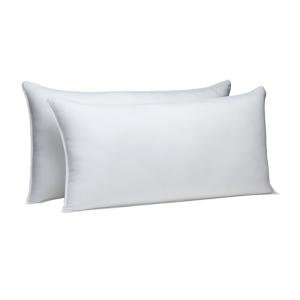
Why Your Pillow Actually Matters
It's easy to underestimate the pillow. It just sits there, right? But a pillow does a lot of quiet, important work. It keeps your head and neck aligned with your spine while you sleep, which directly affects how rested — or how wrecked — you feel in the morning. The wrong pillow can create tension in your shoulders, cause headaches, or make existing back and neck pain significantly worse. The right one almost disappears beneath you, supporting without you ever noticing it's there.
Beyond physical support, pillows affect temperature regulation, allergy symptoms, and even how easily you fall asleep. A pillow that sleeps hot can keep you tossing all night. One filled with the wrong materials can trigger sneezing, itching, or congestion. These aren't minor inconveniences — over time, they chip away at sleep quality in ways that affect your mood, focus, and overall health.
So yes, your pillow matters. A lot.
The Main Types of Bed Pillows
Not all pillows are built the same, and the differences between them go well beyond price. Here's a breakdown of the most common types and what makes each one worth considering.
Down Pillows
Down pillows are filled with the soft, fluffy clusters found beneath the outer feathers of ducks or geese. They've been a luxury sleep staple for centuries, and for good reason. Down is incredibly soft and lightweight, conforms naturally to the shape of your head and neck, and tends to last a long time when cared for properly.
The downside? Down pillows can be expensive, and they're not ideal for people with allergies. They also require fluffing regularly to maintain their loft, and they tend to compress under pressure — which means stomach sleepers and people who like a firm pillow may find them too flat.
If you want a pillow that feels like sleeping on a cloud and you're willing to invest a bit, down is hard to beat.
Down Alternative Pillows
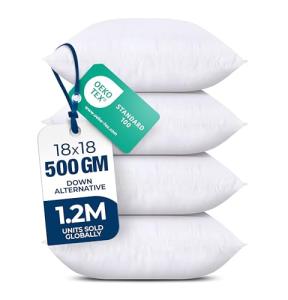
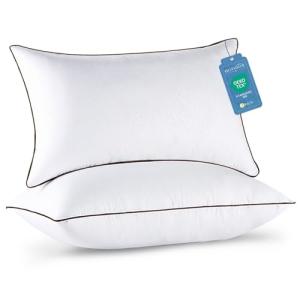
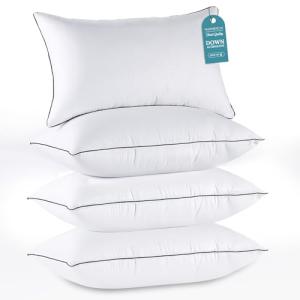
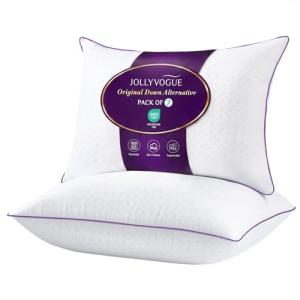
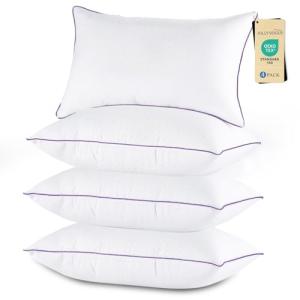
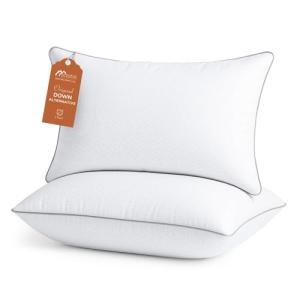
Down alternative pillows mimic the softness and loft of real down using synthetic fills — usually polyester microfiber. They're hypoallergenic, significantly more affordable, and easier to wash at home. For many people, the difference in feel is minimal, especially with high-quality down alternative fills.
These pillows are a smart choice if you have allergies, share a bed with someone who does, or simply want a lower-maintenance option that can go straight into the washing machine without special care instructions.
Memory Foam Pillows
Memory foam pillows are made from viscoelastic polyurethane foam that responds to heat and pressure, slowly conforming to the shape of your head and neck. They offer excellent support and don't compress down the way soft fills do, making them a popular choice for people with neck or back pain.
You'll find memory foam pillows in two main forms: solid (a single piece of foam) and shredded (loose foam pieces inside a cover). Shredded memory foam pillows are more adjustable and tend to sleep cooler than solid versions, since air can circulate between the pieces. Solid memory foam pillows provide more consistent, uniform support.
One thing to know: memory foam pillows can sleep warm. If you tend to overheat at night, look for options with cooling gel infusions or covers made from breathable materials like bamboo or Tencel.
Latex Pillows
Latex pillows are made from natural or synthetic rubber and offer a feel that's somewhere between memory foam and traditional fill pillows — supportive but also a bit bouncy. They hold their shape well, don't flatten overnight, and are naturally resistant to dust mites and mold, making them a great option for allergy sufferers.
Natural latex pillows tend to be on the heavier side and come with a premium price tag, but they're also incredibly durable. Many last a decade or more with proper care. If you want a pillow that will genuinely stand the test of time, latex is worth considering.
Buckwheat Pillows
Buckwheat pillows are filled with the hulls of buckwheat seeds — small, hard, crescent-shaped pieces that shift and adjust as you move. They provide firm, customizable support and stay cool naturally because air flows freely between the hulls. Many people who use them swear by them for neck pain.
They're not for everyone, though. Buckwheat pillows are heavy, they make a gentle rustling sound when you move, and the firm feel takes some getting used to. But if you've tried everything else and still can't get comfortable, they're worth a try.
How to Choose the Right Pillow for Your Sleep Position
Your sleep position is probably the single most important factor in choosing the right pillow. The goal is to keep your spine in a neutral alignment — not arching your neck up or letting it sag down.
Back Sleepers
If you sleep on your back, you need a pillow with medium loft — high enough to support the natural curve of your neck, but not so thick that it pushes your head forward. A soft-to-medium firmness works well. Memory foam and latex options are popular choices here because they conform to the neck's curve without collapsing flat.
Side Sleepers
Side sleepers need the most support. There's a significant gap between your shoulder and your head when you sleep on your side, and your pillow needs to fill it. Look for a pillow with high loft and firm support so your head doesn't sink too far down and your spine stays level. Many side sleepers find that firmer memory foam, latex, or high-fill-power down pillows work best.
Stomach Sleepers
Stomach sleeping puts the most strain on your neck, and a thick pillow makes it worse. If you sleep on your stomach, go for a soft, low-loft pillow — or consider no pillow at all under your head. Soft down or down alternative pillows are the most forgiving for this position. Some stomach sleepers also benefit from placing a thin pillow under their abdomen to reduce lower back strain.
Combination Sleepers
If you shift positions throughout the night, look for a pillow that's medium in both loft and firmness — adaptable enough to work reasonably well in multiple positions. Shredded memory foam pillows that you can adjust are often a great fit here.
Pillow Fill Power, Firmness, and Loft: What the Numbers Mean
Shopping for pillows means running into a few technical-sounding terms. Here's what they actually mean in plain language.
Fill Power is a measurement used for down and down alternative pillows. It refers to how much space one ounce of the fill material occupies — the higher the number, the fluffier and more resilient the pillow. A fill power of 600 or above is generally considered good quality; 800 or above is premium. Higher fill power means lighter weight with more loft, which is exactly what you want in a down pillow.
Loft simply refers to the height of the pillow. Low-loft pillows are flatter; high-loft pillows are thicker and taller. As covered above, the right loft for you depends on your sleep position.
Firmness describes how much resistance the pillow offers when you press into it. Soft pillows compress easily and are best for stomach sleepers or people who like to "sink in." Medium pillows are versatile. Firm pillows hold their shape and are generally best for side sleepers.
Pillow Sizes: Standard, Queen, King, and Beyond
Pillow sizing is pretty straightforward but worth knowing before you buy.
Standard pillows (roughly 20" x 26") are the most common and fit most pillowcases. They work well on twin and full beds.
Queen pillows (20" x 30") are a few inches longer and fit queen-size beds nicely without gaps. They're also a great upgrade if you move around a lot at night.
King pillows (20" x 36") are long enough to span a king-size bed and are great for people who like to prop themselves up to read or watch TV in bed.
Body pillows (typically 20" x 54") run the full length of the body and are popular with side sleepers, pregnant people, and anyone who likes something to hug while they sleep.
Caring for Your Pillows
Even the best pillow won't stay that way forever without some basic care. Most down alternative and synthetic pillows can be washed in a standard washing machine on a gentle cycle — just make sure they're fully dry before using them again to prevent mold. Down pillows can usually be machine washed too, but benefit from tumble-drying on low with a couple of dryer balls to restore their fluff.
Memory foam and latex pillows generally can't go in the washing machine. Spot-clean them as needed and keep them fresh with a good pillow protector washed regularly.
Speaking of protectors — if you don't have one on your pillow right now, get one. A zippered pillow protector goes underneath your pillowcase and creates a barrier against sweat, oils, dust mites, and allergens. It dramatically extends the life of your pillow and keeps things much more hygienic.
As a general rule, replace your pillows every one to two years for synthetic fills, every two to three years for down or down alternative, and every three to five years for latex or memory foam. If your pillow folds in half without springing back, it's time for a new one.
There's no single "best" pillow — only the best pillow for you. Your weight, sleep position, whether you sleep hot or cold, whether you have allergies, and your personal preferences about firmness and feel all play a role. The good news is that once you know what to look for, finding the right match gets a lot easier.
If you're not sure where to start, medium-loft down alternative pillows are a safe, affordable bet for most people. From there, you can refine based on what's working and what isn't. Many quality pillows also come with trial periods or satisfaction guarantees, so don't be afraid to try something new.
A good night's sleep starts with the right foundation — and that foundation begins with your pillow.