What Makes a Great Bed Blanket?
At its core, a bed blanket has one job: keep you comfortable while you sleep or rest. But comfort is surprisingly complex. It involves temperature regulation, texture against your skin, how well the blanket holds its shape over time, how it launders, and yes — how it looks draped across your bed.
A great bed blanket doesn't feel like a compromise. It doesn't leave you sweating at 2 a.m. or reaching for an extra layer. It doesn't pill after three washes or lose its shape after six months. The best blankets feel like they were made specifically for the way you sleep — and with the range of options available today, finding that match is genuinely achievable.
Blanket Materials: What's Actually the Difference?
Material is the single biggest factor in how a blanket feels, performs, and ages. Here's what you're actually looking at when you shop:
Cotton Blankets
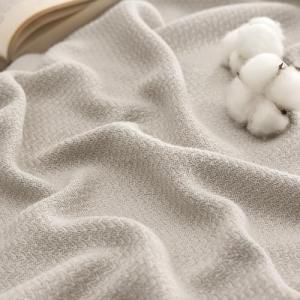
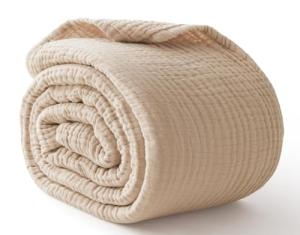
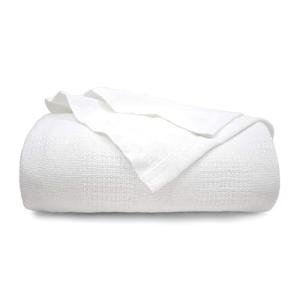
Cotton is the classic choice for good reason. It's breathable, easy to wash, hypoallergenic, and gets softer with every laundering. A quality cotton blanket is a genuinely all-season option — it breathes well in summer and layers effectively in winter without trapping too much heat.
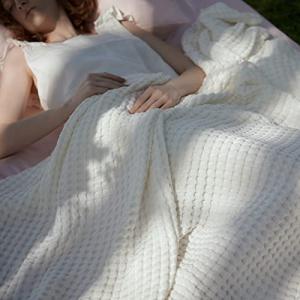
Within cotton, there's meaningful variation. Combed cotton has had shorter fibers removed, resulting in a smoother, stronger fabric. Organic cotton skips pesticides and synthetic treatments — a worthwhile consideration if you have sensitive skin or prefer more sustainable options. Waffle-weave cotton blankets have a textured, grid-like surface that adds visual interest and slightly more insulation than flat weaves.
If you run warm at night, a lightweight cotton blanket is often the most underrated solution. It adds just enough warmth without the stuffiness of heavier materials.
Fleece Blankets
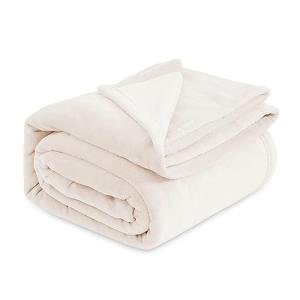
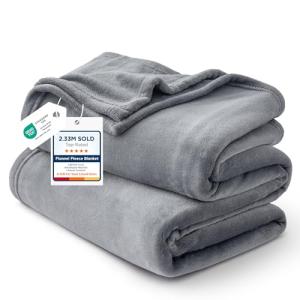
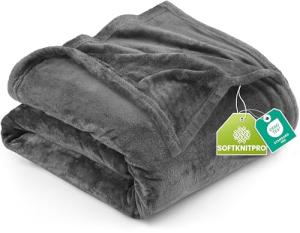
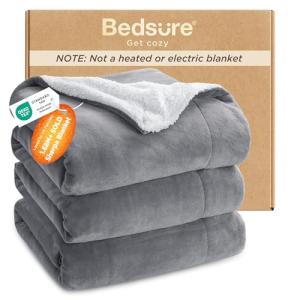
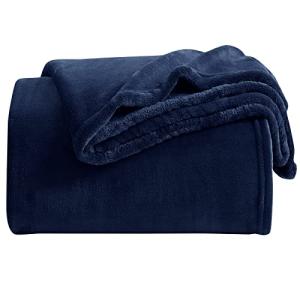
Fleece is the material behind some of the most-loved blankets in existence — and for good reason. It's incredibly soft right out of the packaging, lightweight, and holds heat efficiently. It's also machine washable and dries quickly, which matters when you're dealing with bedding you use every night.
Most fleece is made from polyester, which means it's not as breathable as natural fibers. For people who sleep warm, this can be a drawback. But for cold sleepers, for kids' rooms, or for a guest bed that needs to be welcoming without any fuss, fleece delivers in a way that's hard to argue with.
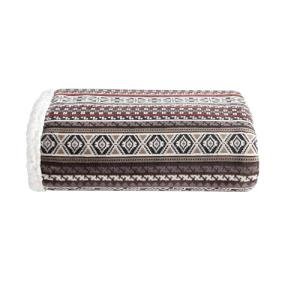
Sherpa fleece — with a smooth exterior and a fluffy, wool-like interior — takes the warmth factor up another notch and has a notably plush feel that many people find particularly comforting.
Wool Blankets
Wool is extraordinary. As a natural fiber, it regulates body temperature more actively than any synthetic material — keeping you warm when it's cold and helping dissipate excess heat when temperatures rise. It's also naturally moisture-wicking and resistant to odors, meaning it stays fresher longer between washes.
The trade-off is care. Many wool blankets require gentle washing or dry cleaning, and they can feel scratchy against sensitive skin, particularly with lower-grade wools. Merino wool addresses the scratch issue almost entirely — it's fine enough to wear directly against skin and still carries all the thermal benefits of wool.
A high-quality wool blanket is an investment, but it's also the kind of thing that lasts for decades and becomes a household fixture.
Knit and Chunky Blankets
Knit blankets occupy a particular niche — they're as much decorative as functional. A loosely knit throw draped over the foot of a bed adds texture and visual warmth to a room in a way that flat-woven blankets simply don't. The open weave isn't maximally warm, but for layering over sheets in mild weather or keeping on a reading chair, they're ideal.
Chunky knit blankets made from thick yarn have surged in popularity in recent years. They're genuinely cozy and make a strong visual statement. Just note that these tend to require hand washing and careful drying to maintain their shape.
Acrylic and Synthetic Blends
Synthetic blankets — primarily acrylic or polyester — tend to be the most affordable option in any given weight class. Modern manufacturing has gotten quite good at mimicking the softness of natural fibers, and many people genuinely can't tell the difference from feel alone.
They're typically easy to wash and care for, which makes them practical for households with kids or pets. The main downside is breathability — synthetics don't manage moisture the way cotton or wool does. For very active sleepers, or in warmer climates, this can lead to that uncomfortable clammy feeling.
Blanket Weight: Finding Your Sweet Spot
Weight and warmth go hand in hand, but they're not the same thing. A thin merino wool blanket can be warmer than a thick cotton one. That said, weight is still a useful starting point for matching a blanket to your needs.
Lightweight blankets (under 2 lbs) work well as warm-weather layers, for people who sleep hot, or as a top layer over a duvet in winter. They're also the practical choice for guest beds where you don't know a visitor's preferences.
Mid-weight blankets (2–4 lbs) are the all-rounders. They're warm enough for most nights in most climates but not so heavy that they feel oppressive. If you could only own one blanket, a mid-weight option in a breathable material would be the safe bet.
Heavyweight blankets (4+ lbs) are for cold sleepers, cold climates, and those who love the feeling of being genuinely bundled. These are also the category where weighted blankets fall, which use glass beads or pellets to create gentle, even pressure — something many people find deeply calming.
Blanket Sizes: Getting the Right Coverage
Sizing matters more than people expect. A blanket that's too small slides off during the night. One that's too large can be unwieldy and look proportionally off on the bed.
General guidance by bed size:
- Twin beds: A 60×80-inch blanket provides solid coverage with some overhang.
- Full/Double beds: Look for something around 80×90 inches to get full coverage on the sides.
- Queen beds: 90×90 to 90×100 inches works well as a bedding layer.
- King beds: You'll want at least 108×90 inches, or two twin-sized blankets if you and a partner have very different temperature preferences.
If you're buying a blanket primarily for draping over the bed decoratively — folded at the foot or spread across the upper half — you have more flexibility. A smaller blanket used this way can look intentional and elegant.
Seasonal Layering: One Blanket Isn't Always Enough
The smartest approach to bed blankets isn't finding one that works year-round — it's building a small collection that you rotate seasonally. This sounds more complicated than it is.
Summer setup: A single lightweight cotton or bamboo blanket over a sheet. Breathable, easy to kick off, and easy to launder.
Spring and fall: Add a mid-weight blanket in a natural fiber. This handles the fluctuating temps without committing to full winter warmth.
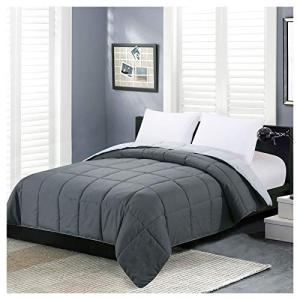
Winter: Layer a heavier blanket or throw over your duvet, or swap to a heavyweight wool or fleece blanket as your primary layer. Layering two lighter blankets, by the way, traps air between them and is often warmer than a single thick blanket of equivalent weight.
The advantage of layering over simply buying the warmest possible option is adaptability. You can adjust on the fly — one arm out, one layer kicked off — in a way that a single heavy blanket doesn't allow.
How to Care for Your Blankets
Even the best blanket loses its appeal quickly if it's not cared for properly. A few principles that apply across most types:
Read the label. This sounds obvious but gets skipped more than it should. Wool, in particular, can shrink dramatically in a hot wash. Knit blankets can stretch or distort in a tumble dryer.
Wash less than you think. Blankets don't need to be washed as frequently as sheets. Unless there's a specific reason, washing a blanket every two to four weeks is generally sufficient. Over-washing accelerates wear and fading.
Use a gentle cycle and mild detergent. Even for machine-washable blankets, the gentle cycle reduces friction and helps maintain the fabric's integrity over time.
Dry thoroughly before storing. Any residual moisture can lead to mildew and odor. If you're putting blankets away for a season, make sure they're completely dry first, and store them in a breathable cotton bag rather than a plastic bin.
Spot-clean when you can. For small stains, targeted spot-cleaning is almost always less stressful on the fabric than a full wash.
Choosing a Blanket for Specific Needs
Not all blankets serve the same purpose, and it's worth thinking about what you actually need before buying.
For allergy sufferers: Look for blankets labeled hypoallergenic, or choose natural materials like cotton or bamboo that resist dust mites and are easy to wash at higher temperatures.
For children: Durability and ease of washing are the priorities. Soft fleece or cotton blankets that can handle frequent laundering are the practical choice. For toddlers, follow safe sleep guidelines — blankets aren't recommended for children under 12 months.
For pets: A dedicated pet blanket for your dog or cat to use (and inevitably claim entirely) saves your nicer blankets. Look for something durable with a tight weave that resists pet hair.
For travel: A compact, lightweight blanket that compresses well is invaluable for long flights or road trips. Thin merino wool or compressed fleece options are worth the investment if you travel frequently.
A good bed blanket is one of those quiet investments that pays off every single night. It doesn't require much — just the right material for your sleep style, the right weight for your climate, and a little bit of care to keep it in good shape. Once you find the blanket that works for you, it tends to become one of those things you don't think about anymore — it just does its job, reliably, night after night.
Browse through the options, pay attention to materials and weight ratings, and don't be afraid to try something outside your usual comfort zone. That chunky knit throw, that lightweight merino layer, or that no-nonsense cotton blanket might turn out to be exactly what your bedroom was missing.