What Is a Pillow Sham?
A pillow sham is a decorative covering for a pillow — think of it as the more sophisticated cousin of a regular pillowcase. Unlike a standard pillowcase, which is purely functional and meant for sleeping on, a pillow sham is designed to be seen. It sits at the front of your bedding arrangement, making your pillows look intentional, coordinated, and finished.
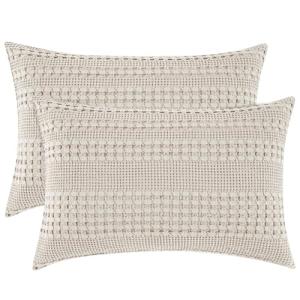
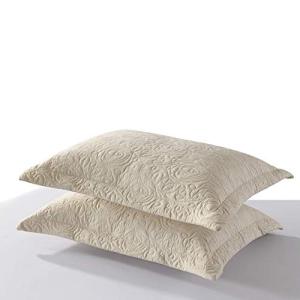
The most telling difference is the opening. Most pillow shams have a flap closure at the back — either a simple envelope-style overlap or a zippered edge — which keeps the pillow securely tucked inside while hiding any raw edges. The front face is where all the action is: embroidery, texture, decorative flanges, ruffled borders, and carefully chosen fabrics that tie the whole room together.
Shams typically come in standard, queen, and king sizes to match your pillow dimensions, and they're almost always sold in pairs since beds usually have two pillows side by side.
Why Pillow Shams Actually Matter
If you've ever tried to style a bed with just a duvet and a couple of regular pillowcases, you know the result can look a little… flat. There's nothing wrong with it functionally, but something feels missing. That's because a well-dressed bed is really a layering exercise — and pillow shams are one of the most important layers.
Here's what a good set of pillow shams actually does for a space:
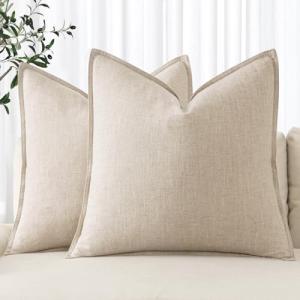
They create visual height. Shams often feature a flange — a decorative border around the perimeter of the pillow — that adds dimension and makes pillows sit taller and more upright. That extra visual weight at the head of the bed anchors the entire look.
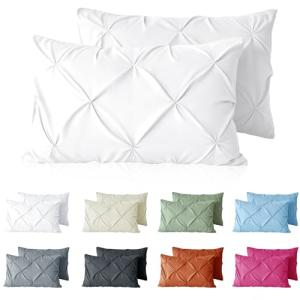
They tie colors and textures together. A sham in the right fabric and tone can pull the hues from your duvet cover, curtains, headboard, and even your rug into a unified palette. They're the piece that makes a room feel designed rather than assembled from whatever was on sale.
They protect your pillows. If you have expensive down or memory foam pillows, the last thing you want is them yellowing or collecting dust over time. Shams keep your pillows cleaner for longer, and they're far easier to toss in the wash than the pillows themselves.
They signal "this is a real bedroom." There's something about properly dressed pillows that elevates a space from a place you sleep to a room you actually want to be in. Guests notice. You'll notice too, every morning when you walk in.
The Different Types of Pillow Shams
Not all shams are created equal, and knowing the difference helps you find the right fit for your style and your bedding setup.
Standard, Queen, and King Shams
These refer to the size of the pillow the sham is designed to cover. Standard shams fit pillows that are 20×26 inches, while queen shams accommodate 20×30 inch pillows. King shams are the longest at 20×36 inches and are meant for the extra-wide pillows that span a king-size bed. Always check the fill size before buying — a king sham on a standard pillow will sag and lose its shape.
Euro Shams
Euro shams are square rather than rectangular, typically measuring 26×26 inches. They're used as the back layer in a pillow arrangement — positioned against the headboard before the standard or queen shams are placed in front. Euro shams add depth and that layered, luxurious look you see in high-end hotels. They're almost always sold separately from the rest of a bedding set, but they're well worth the investment.
Flanged Shams
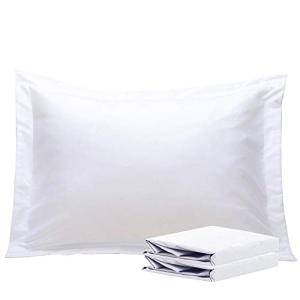
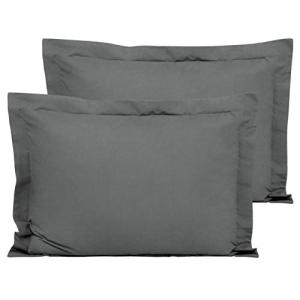
A flanged sham has a flat, stitched border — called a flange — that extends around all four edges of the front face. Flanges are typically 2 to 3 inches wide, and they give shams a polished, tailored appearance. This style works especially well with contemporary and transitional bedroom décor, where clean lines and precise details are part of the aesthetic.
Ruffled Shams
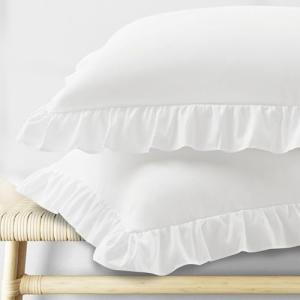
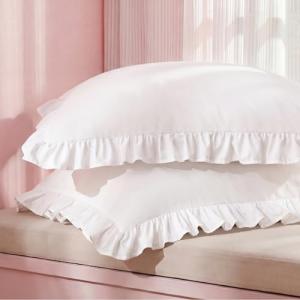
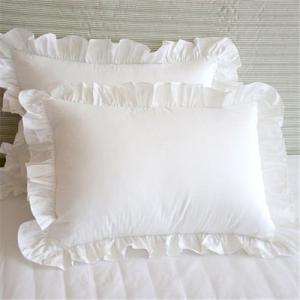
For a softer, more romantic look, ruffled shams feature gathered fabric along the edges rather than a flat border. The ruffle adds movement and texture, making the pillow arrangement feel warm and inviting. These are a natural fit for cottage-style, farmhouse, or vintage-inspired bedrooms.
Envelope vs. Zipper Closure
On the back of any sham, you'll find one of two closure styles. An envelope closure overlaps two fabric panels to create a pocket — simple, fuss-free, and very common. A zipper closure keeps the pillow more securely in place and tends to give a cleaner look if you ever flip the pillow over. Both work well; it mostly comes down to personal preference.
Choosing the Right Fabric
The fabric of your pillow shams will affect how they look, how they feel, and how long they last. Here's a breakdown of the most popular options:
Cotton is the most practical and widely loved choice. It breathes well, washes easily, and holds up beautifully over time. Percale cotton has a crisp, matte finish and gets softer with every wash — great for a classic, clean look. Sateen cotton has a subtle sheen and a silky feel, which lends a touch of luxury without crossing into high-maintenance territory.
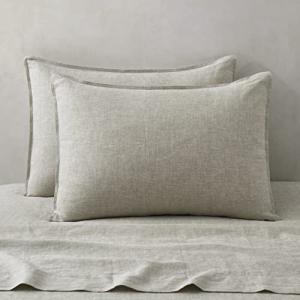
Linen is having a major moment in bedrooms right now, and for good reason. Its natural texture and relaxed, lived-in quality feel effortlessly chic. Linen shams tend to look better slightly rumpled than perfectly pressed, which makes them ideal for people who want beautiful bedding without having to iron everything to within an inch of its life. They're also incredibly durable and get better with age.
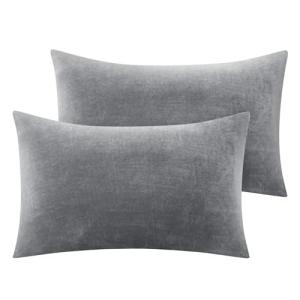
Velvet and velveteen shams are a statement piece. Rich, plush, and deeply textured, they add instant drama to a bedroom and work particularly well in autumn and winter when you want your space to feel cocooning and warm. They're typically used as accent shams layered over more practical ones, rather than as the main pillow covering.
Silk and satin shams sit at the luxurious end of the spectrum. They're cool to the touch, have a beautiful drape, and look genuinely glamorous. On a practical note, silk shams are also known for being gentler on hair and skin — a bonus if you actually sleep on them.
Microfiber and polyester blends are the value-focused option. They're affordable, easy to care for, resistant to wrinkling, and come in virtually every color imaginable. While they may not have the same sensory quality as natural fibers, they're a smart choice for guest rooms, children's rooms, or anyone on a budget who still wants a put-together look.
How to Style Pillow Shams on a Bed
Styling a bed with pillow shams doesn't have to be complicated. Here are a few approaches that actually work:
The classic hotel arrangement uses two Euro shams against the headboard, two standard or queen shams in the middle, and one or two accent throw pillows in front. It's symmetrical, balanced, and universally flattering — works on any bed size from a full up to a king.
The minimalist edit keeps things simple with just one pair of matching shams in a fabric that contrasts slightly with the duvet cover. No Euro shams, no throw pillows — just clean lines and a calm, uncluttered bed. This approach suits modern and Scandinavian-inspired rooms particularly well.
The maximalist layer piles on Euro shams, standard shams, bolsters, and decorative cushions in complementary colors and textures. It's bold, it's expressive, and when done with some restraint in the color palette, it looks intentional rather than chaotic. The key is keeping the shams in tones that echo the duvet and then allowing the accent pillows to introduce a pop of contrast.
The casual toss simply places the shams loosely in front of the duvet rather than standing them upright. This works especially well with linen or washed cotton shams that have that soft, relaxed quality. It looks unforced and comfortable — like the bed is inviting you in rather than asking you to admire it from a distance.
Caring for Your Pillow Shams
Good shams are an investment, and a little care goes a long way toward keeping them looking their best.
Most cotton, linen, and microfiber shams are machine washable — check the label for the recommended temperature, but cool or warm washes are typically safe and better for the fabric long-term. Avoid overloading the washing machine, as shams can bunch and crease when crammed in with too much else.
For shams with delicate embroidery, velvet, or silk, hand washing or dry cleaning is usually the safer route. Always check the care label before you assume something can go in the machine.
Tumble drying on a low or medium setting works well for most cotton and linen shams. Remove them while they're still slightly damp to minimize wrinkles — linen especially benefits from being smoothed and shaped while it has a little moisture left in it.
Store spare shams folded in a cool, dry drawer or on a linen shelf rather than stuffed into a bag at the back of a closet. Good fabric deserves a little breathing room.
Finding the Right Pillow Shams for Your Space
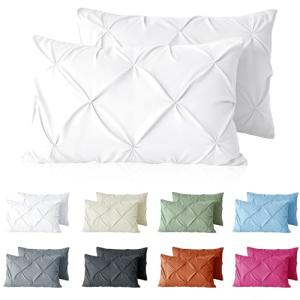
The right set of pillow shams is out there for every bedroom, every budget, and every style. Whether you're drawn to the crisp, pressed look of a white percale sham with a simple flange, the rumpled elegance of a stonewashed linen pair, or the quiet drama of deep teal velvet against a neutral duvet — there's a version of this that makes your bed feel like your space.
Start with your existing bedding and pull from the colors already present in the room. Choose a fabric that matches how you actually use the bed — practical and washable for everyday comfort, or something more special if you're dressing a guest room meant to impress. And don't be afraid to mix textures: a linen sham layered with a cotton duvet, or a velvet accent sham paired with a classic sateen set, adds the kind of depth that makes a room feel genuinely considered.
A well-made bed is one of the simplest ways to improve how a room feels — and pillow shams are one of the most important tools in getting there.