What Exactly Is a Throw Pillow?
You probably already know, but it's worth saying clearly: throw pillows are decorative cushions meant to add color, texture, comfort, and personality to furniture and spaces. Unlike sleeping pillows, they're not primarily functional — they're expressive. They "throw" personality into a room, which is likely where the name originates (though the more satisfying explanation is that they're literally thrown onto sofas and chairs).
They come in a staggering range of sizes, shapes, fabrics, patterns, and fillings. From a sleek 18x18 linen square on a minimalist sectional to an oversized velvet lumbar pillow draped across a vintage daybed, the variety is genuinely enormous. That's both the beauty and the slight challenge of shopping for them — there are a lot of options, and knowing what to look for makes the difference between a curated look and a chaotic pile of pillows.
Why Throw Pillows Matter More Than You Think
Here's the thing about interior design: it's mostly about layering. A room that looks "done" isn't built in one pass — it's built up in layers of color, texture, height, and detail. Throw pillows are a critical part of that layering process.
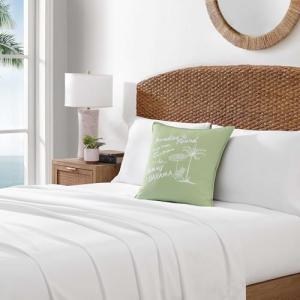
They soften hard furniture lines. A boxy leather sofa can feel cold and corporate without something to break up its edges. Add a few pillows in warm tones with interesting textures and suddenly the same sofa feels intentional and inviting.
They introduce color without commitment. Painting a wall is a whole thing. Buying a new rug involves measuring and delivery windows and possibly moving furniture. But buying a pillow in a bold new color? That's a Tuesday afternoon decision. If you decide you hate it, you're out maybe twenty dollars and a return trip to the post office.
They tell people something about you. Your home should reflect who you are, and the details are often where personality lives. A pillow printed with a vintage botanical illustration, a hand-embroidered geometric pattern, or a deeply ironic piece of text-based art says something about your taste, your sense of humor, your interests. The sofa is the stage; the throw pillows are the dialogue.
They make your furniture more comfortable to actually use. This one gets overlooked because we focus so much on aesthetics, but a good lumbar pillow against the back of a firm sofa can genuinely improve how you sit in it. Comfort and style aren't opposites — the right throw pillow delivers both.
Sizes and Shapes: A Practical Guide
Shopping throw pillows without understanding sizes is how you end up with a sad little 12-inch square disappearing into the corner of a massive sectional. Here's what the common sizes actually look like in practice:
12x12 inches — These are quite small and work best as accents rather than primary pillows. Great for stacking in front of larger pillows, or adding a pop of texture to a narrow window seat or accent chair.
16x16 inches — A good accent size, especially for smaller furniture like armchairs or the ends of a sofa. Not quite enough to anchor a large couch on their own but excellent in combination with bigger pieces.
18x18 inches — This is probably the most common "standard" throw pillow size and works on almost any furniture. It's versatile, widely available, and proportional on sofas, beds, and chairs without looking overwhelming.
20x20 inches — A slightly larger square that works beautifully on deep, oversized sofas and sectionals. These feel substantial and luxurious, and they're the size you want when you actually plan to lean against them.
22x22 inches — Best reserved for large sofas and sectionals or for use as floor cushions. Anything bigger than this starts moving toward actual floor-cushion territory.
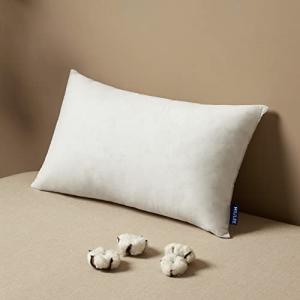
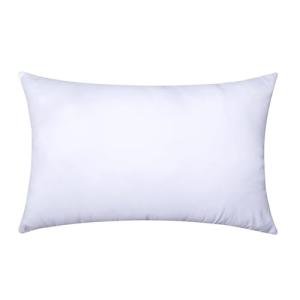
Lumbar pillows — Typically rectangular (around 12x20 or 14x36 inches), lumbar pillows add a horizontal element that breaks up rows of squares. They're also genuinely useful for back support and look especially elegant on sofas and beds.
Bolster pillows — Cylindrical in shape, these are a more distinctive choice that works well in bedrooms, on window seats, or as part of a more curated, layered look.
For most sofas, a mix of sizes works better than uniformity. Two large squares on each end, a couple of medium squares toward the middle, and a lumbar in the center is a classic arrangement for a reason — it creates depth and visual interest while still looking intentional.
Fabrics and Textures: Where the Magic Happens
The fabric of a throw pillow does a lot of the heavy lifting. It affects how the pillow looks under different lighting, how it feels to touch, how well it holds up over time, and how it reads within your overall room palette.
Linen and cotton are natural, breathable, and casual. They photograph beautifully in natural light, launder relatively easily, and work in almost any style of home from coastal to farmhouse to modern. Their slight texture catches light in a subtle, warm way that synthetic fabrics often don't replicate.
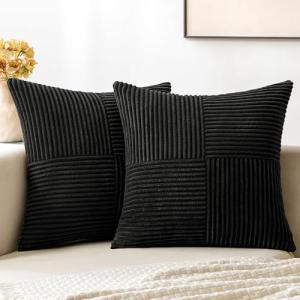
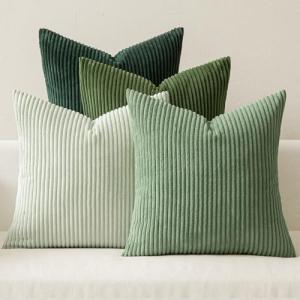
Velvet is a game-changer when you want to add richness and drama. It has a depth of color that other fabrics simply can't match — a velvet pillow in forest green or dusty rose looks dramatically more luxurious than the same color in cotton. It also has that irresistible "pet me" quality that makes velvet throw pillows something of a tactile obsession. The slight sheen changes as you move around it, giving a living quality to the pillow.
Knit and chunky wool bring warmth and coziness — literally and visually. A chunky cable-knit pillow reads as autumn and winter and Sunday mornings with coffee. These textures add dimension that flat fabrics can't, creating shadow and depth that make a room feel layered.
Faux fur and shag are texture-forward choices that signal comfort above all else. They're polarizing — deeply cozy to some, too much to others — but when they work, they really work. A single faux fur pillow on a neutral sofa can make the entire space feel more inviting.
Embroidered and woven fabrics add artisanal quality and often carry cultural or handcraft significance. Hand-embroidered pillows in particular feel genuinely special — they carry the marks of the person who made them, and no two are exactly identical.
Performance fabrics (often described as "easy clean" or "indoor-outdoor") are the practical choice for high-traffic situations — homes with kids, pets, or people who eat snacks on the sofa, which is most people. These fabrics repel stains, hold up to regular wiping down, and often maintain their color over many years of use.
Patterns, Colors, and How to Mix Them
Here's where people get nervous, and it's completely understandable. Walking into a room of coordinated throw pillows at a home goods store feels achievable; recreating that effect at home feels like a different challenge entirely.
The most useful principle: vary the scale of your patterns. If you're mixing three different pillows, try a large-scale pattern, a medium-scale pattern, and a solid or subtle texture. This creates visual rhythm without the chaos of competing similarly-sized patterns.
A good color strategy: pull from your room. Look at your rug, your art, your curtains, your furniture. There are colors in there — maybe a dusty blue in the background of a painting, a rust tone in the rug's border — that you can amplify through your pillow choices. This is how professional designers create that "pulled together" look. They're not pulling from nowhere; they're echoing colors that already exist in the room.
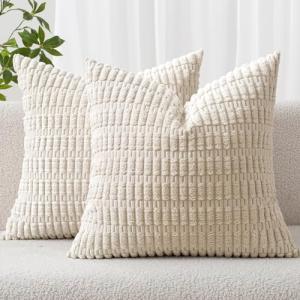
Neutrals are your foundation. Warm whites, oatmeal, camel, and warm grays give the eye a place to rest and let your more expressive pillows breathe. Don't be afraid of them — they're doing real work.
Bold colors make more impact in odd numbers. Three pillows in a deep terracotta among a field of neutrals will read more intentionally than two. This isn't a hard rule, but it's a good starting point.
Pillow Inserts: The Underrated Half of the Equation
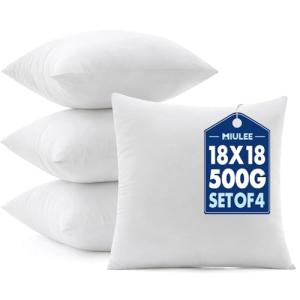
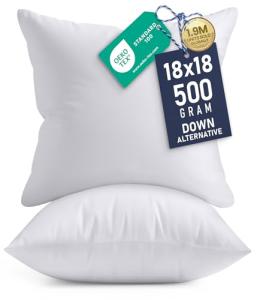
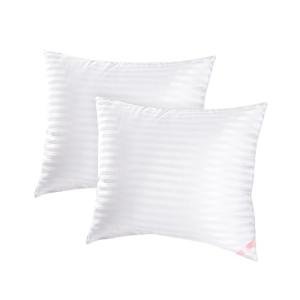
A throw pillow is really two things: a cover and an insert. The insert matters more than most people realize.
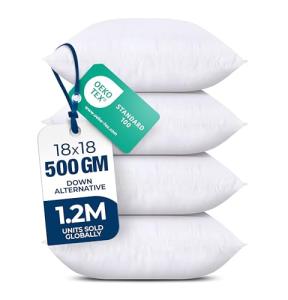
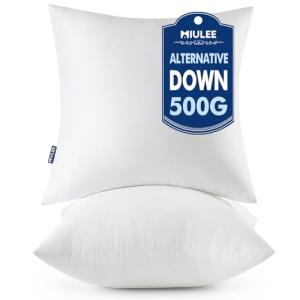
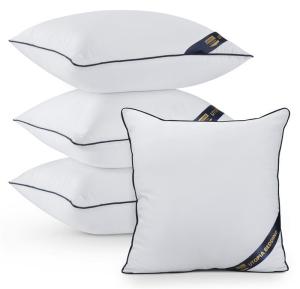
Down and feather inserts are the gold standard for that full, luxurious look. They compress slightly when you sit or lean against them, which looks natural and inviting. Down alternative inserts work similarly but suit people with allergies or ethical preferences around animal products.
Polyester fiberfill inserts are the budget option and they're perfectly functional, but they can go flat over time and tend to have that slightly lumpy quality if you don't fluff them regularly.
One important tip: always buy an insert that's at least two inches larger than your cover. A 20x20 insert in an 18x18 cover creates that full, professionally-styled look. An 18x18 insert in an 18x18 cover looks flat and deflated.
How to Shop for Throw Pillows
Start with your furniture. What color is it? What texture? A light linen sofa invites more experimentation with color and pattern. A dark leather sofa benefits from lighter, softer pillow choices.
Think about your existing room palette before buying anything. Take a photo of your sofa or bed in its current state and bring it with you (or keep it open on your phone) when you shop.
Don't buy all your pillows from the same place. Mixing sources — a boutique, a vintage shop, a big-box retailer, an artisan marketplace — gives you that layered, curated look that rooms feel flat without.
Invest in a few pieces and be more casual about the rest. One genuinely beautiful pillow (maybe an artisan-embroidered piece or a high-quality velvet) elevates everything around it, including the more affordable options you've paired with it.
A great throw pillow doesn't ask much of you. It doesn't require installation, paint drying time, or a second person to help move furniture. It just asks to be chosen thoughtfully — the right size, the right fabric, the right color in the right context.
When you get it right, it looks like you always knew exactly what you were doing. And now, you kind of do.