Why Nursery Bedding Matters More Than You Think
Sleep is practically a baby's full-time job. Newborns sleep anywhere from 14 to 17 hours a day, and even older infants clock in well over 12 hours. That means the surface they're sleeping on, the sheets covering them, and the entire environment around them have a direct impact on their health, comfort, and development.
Beyond comfort, safety is the driving concern with nursery bedding. Major pediatric health organizations have spent decades refining their safe sleep guidelines, and the products in this category have evolved alongside that research. Today's nursery bedding options are designed with both science and softness in mind — because your baby deserves both.
Good nursery bedding also makes your life easier. Waterproof mattress covers that actually stay in place. Fitted sheets that don't pop off at 3 a.m. Fabrics that wash and dry quickly because, trust us, you will be doing a lot of laundry. When bedding is well-designed, it quietly disappears into the background — which is exactly where it belongs.
The Crib Mattress: Your Most Important Purchase
Before you buy a single sheet or sleep sack, get the mattress right. It's the foundation of everything else, and it's the one item in this category where quality genuinely matters most.
What to Look for in a Crib Mattress
Firmness is the first thing to check. A baby's mattress should be noticeably firm — much firmer than an adult mattress would feel comfortable. This isn't about making your baby sleep on a hard surface; it's about reducing the risk of suffocation. When a baby rolls or shifts, a firm surface ensures their face isn't sinking into the mattress. The "press test" is simple: press your hand firmly into the center and the edge. It should spring back quickly and hold its shape.
Size and fit matter too. A crib mattress should fit snugly against all four sides of the crib — no gaps larger than two fingers between the mattress edge and the crib frame. Gaps are a safety hazard, full stop.
Materials range from traditional innerspring to foam to natural latex and organic options. Innerspring mattresses tend to be more durable and offer excellent support. Foam mattresses are lighter, which parents often appreciate during those frequent sheet changes. Organic and natural latex options have grown in popularity among parents who want to minimize their baby's exposure to synthetic chemicals and flame retardants.
Dual-firmness models are worth considering. One side is firmer for infants, and the other is slightly softer for toddlers when they transition out of the crib. It's a practical option that extends the life of your investment.
Crib Sheets: Simple, Soft, and Secure
Once you have your mattress sorted, fitted crib sheets are your most-used piece of nursery bedding. You'll be changing them more often than you expect, so buy at least three — many parents swear by having five or more on hand.
Fabric Options
Cotton remains the most popular choice for a reason. It's breathable, durable, easy to wash, and gets softer with every cycle. Standard cotton is perfectly fine, but many parents prefer organic cotton, which is grown without synthetic pesticides and processed without harsh chemicals. For a baby who'll be pressing their face against the fabric for hours at a time, that matters.
Jersey knit cotton (the same material as a soft t-shirt) is another excellent option. It's naturally stretchy, which means the sheet fits snugly and is easier to put on and take off. Parents who've wrestled a standard fitted sheet onto a crib mattress at midnight will understand why this feature earns devoted fans.
Bamboo-derived fabrics (often labeled as bamboo viscose or bamboo rayon) are incredibly soft and have natural moisture-wicking properties — helpful for babies who tend to sweat at night. They're also temperature-regulating, which can make a meaningful difference across seasons.
Muslin is lightweight and breathable, ideal for warmer climates or summer months. It softens beautifully over time and has a casual, relaxed texture that many parents love.
What to Avoid
Steer clear of sheets with loose embellishments, large decorative buttons, or ties that could come undone. Keep it simple: a well-fitted, softly finished sheet is all your baby needs in the crib.
Waterproof Mattress Protectors: Non-Negotiable
If there's one item on this list that every parent without exception will be grateful for, it's a good waterproof mattress protector. Diaper leaks, spit-up, and night sweats happen — and they happen often. Without a protector, your crib mattress absorbs all of it.
Look for a protector that fits like a fitted sheet, has a soft cotton or terry top layer, and uses a waterproof backing that doesn't crinkle or make noise when your baby moves. The crinkle factor is a real issue — a loud mattress protector can disrupt light sleep and drive you quietly mad.
Many parents use a clever layering trick: put down a mattress protector, then a sheet, then another mattress protector, then another sheet. When a middle-of-the-night blowout happens, you can strip the top two layers and you're immediately back to a clean, ready surface. It's the kind of practical wisdom that only becomes obvious at 2 a.m.
Sleep Sacks and Wearable Blankets: Safe Warmth Without the Risk
Loose blankets in a crib are not recommended for infants — this is one of the clearest and most consistent pieces of advice from pediatric sleep experts. So how do you keep your baby warm? Enter the sleep sack.
A sleep sack (also called a wearable blanket) zips around your baby's body, keeping them warm from the chest down while leaving their face completely uncovered. They come in a range of TOG ratings — a measure of thermal resistance. A lower TOG (around 0.5–1.0) suits warmer months or well-heated rooms; a higher TOG (2.5–3.5) is for colder environments.
Choosing the Right Sleep Sack
Pay attention to sizing — a sleep sack that's too large creates fabric near the face, which defeats its purpose. Most are sized by weight rather than age, so check the weight range on the packaging.
Materials follow similar logic to sheets: cotton and bamboo are both excellent choices. Some sleep sacks have shoulder snaps for easy nighttime diaper changes without fully removing the sack, which is a feature experienced parents deeply appreciate.
For newborns, swaddle sleep sacks offer a snug wrap that mimics the feeling of the womb and helps prevent the startle reflex from waking them. As babies get older and stronger (typically around 3–4 months, or when they show signs of trying to roll), it's time to transition to a traditional arms-out sleep sack.
Crib Skirts and Decorative Bedding: Style Meets Practicality
A crib skirt hides the space beneath the crib — whether you're storing items under there or simply want a cleaner, more finished look. Modern crib skirts attach easily and come in a wide range of styles, from tailored and minimal to gathered and romantic.
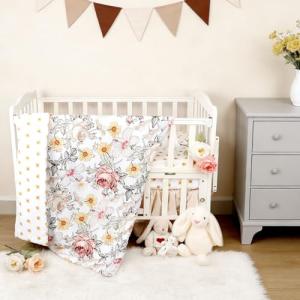
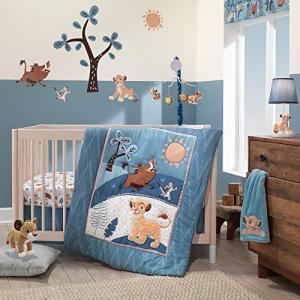
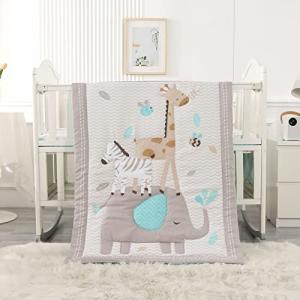
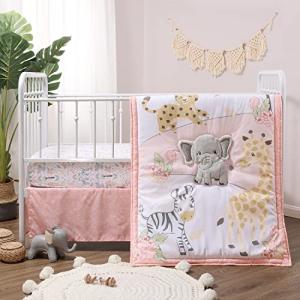
It's worth noting that decorative bedding sets — the beautiful coordinated collections that include quilts, bumpers, and decorative pillows — are primarily for visual appeal. Many of these items are not intended to be used inside the crib where your baby sleeps. They work beautifully as nursery décor, draped over a chair or displayed as accents, but the sleep space itself should remain simple and clear.
Changing Pad Covers: Small but Mighty
The changing area is another zone where bedding makes a real difference. Changing pad covers need to be soft (your baby is bare-skinned on that surface multiple times a day), easy to remove and wash, and snug enough that they don't bunch or slide during diaper changes.
Like crib sheets, having multiple covers on hand is smart. Aim for at least two or three so you always have a clean one ready. The same fabric options apply: cotton, jersey, bamboo — choose what feels softest to you, because you'll be touching it constantly too.
Building Your Nursery Bedding Collection: A Practical Checklist
When you're putting together your nursery bedding, here's a straightforward way to think about what you actually need:
Essentials you need before baby arrives:
- Crib mattress (firm, properly sized)
- 2–3 waterproof mattress protectors
- 3–5 fitted crib sheets
- 2–3 swaddle sleep sacks for newborns
- 2–3 changing pad covers
Worth adding in the first few months:
- Transition sleep sacks (arms-out style) for when swaddling ends
- Warmer-TOG sleep sacks for cooler months
- Extra crib sheets (you'll use them)
Optional but lovely:
- Crib skirt for a finished nursery look
- Decorative quilt or blanket (for display or tummy time — not in-crib sleep)
A Note on Safety Standards and Certifications
When shopping nursery bedding, certain certifications give you a meaningful extra layer of reassurance. GOTS (Global Organic Textile Standard) certifies that organic claims are legitimate throughout the entire production chain. OEKO-TEX Standard 100 certifies that the finished fabric has been tested for harmful substances. GREENGUARD Gold certification applies particularly to mattresses and indicates low chemical emissions.
None of these certifications are strictly required, but they signal that a manufacturer has invested in transparency and accountability — qualities that matter when the product is for a baby.
The nursery bedding aisle can feel overwhelming, but the core principle is actually straightforward: babies need a firm, flat, clear sleep surface with minimal extra items in the crib. Beyond that, the goal is softness, breathability, and washability.
The products in this category have been refined by generations of parents and informed by decades of safety research. The best nursery bedding isn't necessarily the most elaborate or the most expensive — it's the set that makes your baby comfortable, keeps them safe, and makes your life a little easier in those tender, sleep-deprived early months.
Choose materials you feel good about, invest in quality where it counts (especially the mattress), and stock up on more fitted sheets than you think you'll need. Your future self, standing in the nursery at 3 a.m., will thank you.