Why Kids Bedding Is Different From Adult Bedding
It might be tempting to just throw adult bedding on a child's bed and call it a day. A sheet is a sheet, right? Not quite.
Children have genuinely different needs when it comes to sleep comfort. Their bodies regulate temperature differently than adults — they tend to overheat more easily, which is one of the most common causes of restless nights in kids. They're also far harder on their bedding. Spills, muddy feet, the occasional nosebleed, arts and crafts that somehow made it to the bedroom — kids put their bedding through serious wear and tear, which means washability and durability need to be front of mind.
Then there's safety. For toddlers transitioning out of cribs, bedding with heavy fill, oversized pillows, or loose decorative elements can pose risks. Younger children need thoughtfully designed bedding that keeps them cozy without creating hazards. Even for older kids, flame resistance, hypoallergenic materials, and chemical-free dyes matter more than most parents realise until they're standing in the bedding aisle wondering why their child keeps waking up with a rash.
And finally — though this sounds simple — kids care deeply about their personal space. Their bedroom is one of the first places a child gets to express who they are. Giving them a say in their bedding isn't indulging them; it's supporting their developing sense of identity and making them feel genuinely at home in their own room.
Choosing the Right Materials
Cotton: The Classic Choice
Cotton is, for good reason, the most popular material for kids bedding. It's breathable, soft, gets even softer with washing, and can handle high-temperature laundry cycles without falling apart. For most families, a good-quality cotton sheet set is the backbone of a child's sleep setup.
When shopping for cotton, you'll come across thread count numbers everywhere. Here's the honest truth: for kids bedding, thread count matters less than you'd think. A thread count between 200 and 400 hits the sweet spot — soft enough to be comfortable, tightly woven enough to hold up to washing, but not so dense that it traps heat. Anything above 600 is often a marketing trick and can actually feel heavier and less breathable.
Percale cotton has a crisp, cool feel that's ideal for kids who sleep hot. Sateen has a slightly silkier texture and feels a little warmer, which works well for children who get cold at night or live in cooler climates.
Organic Cotton and GOTS-Certified Fabrics
If you have a child with sensitive skin, allergies, or eczema, organic cotton certified to the Global Organic Textile Standard (GOTS) is worth the extra investment. These fabrics are grown without synthetic pesticides and processed without harsh chemical dyes or finishing agents. The certification means the entire supply chain has been audited — it's not just a label someone put on a product because it sounds good.
Organic cotton bedding tends to be softer straight out of the packaging and gentler on skin, and parents often report fewer flare-ups in children with skin sensitivities once they make the switch.
Microfibre
Microfibre is affordable, incredibly soft, and dries faster than cotton after washing — which is a genuine practical advantage when you're dealing with bed-wetting or illness and need to get sheets back on the bed quickly. It's a reasonable choice for older kids and families on a budget.
The trade-off is breathability. Microfibre doesn't let air circulate the way natural fibres do, so it's not the best pick for children who sleep warm. If your child tends to kick off their covers in the night, microfibre might be contributing to the problem.
Fleece and Flannel for Winter
For colder months or homes without central heating, fleece and flannel bring a level of warmth and cosiness that cotton just can't match. Flannel is brushed cotton — it has a slightly fuzzy surface that traps heat beautifully and feels incredibly soft against skin. Fleece is synthetic and provides more warmth per gram than almost anything else, though again, it's less breathable.
Many families keep a set of flannel or fleece sheets for winter and rotate back to cotton when the weather warms up — a simple seasonal swap that makes a noticeable difference in sleep quality.
Getting the Size Right
Cot and Toddler Bedding
For babies and toddlers in cots, fitted sheets should fit snugly with no slack — loose fabric in a cot is a safety concern. Standard cot sizes vary between manufacturers, so always measure before buying. Most cot bedding is sold to fit a standard 120 x 60 cm mattress, but travel cots and specialist mattresses often need different sizing.
Toddler beds (the small transitional beds many children move into between ages 2 and 4) typically use the same size bedding as cots, or a slightly larger junior size. Check your mattress dimensions — this is one of those moments where it genuinely matters.
Single and Twin Beds
Most children move into a single or twin bed between ages 3 and 6, and this is where bedding choices open up significantly. Standard single sheets (90 x 190 cm in most of Europe) fit the vast majority of children's beds, but if your child has a longer mattress or a higher platform, look for "extra long" or "deep pocket" options to ensure the fitted sheet doesn't pop off in the night.
Double and Full Beds
Some parents opt for a double bed from the start to give children room to grow, or for older kids and teenagers who want more space. Standard double bedding (135 x 190 cm) works for most double children's beds, and the range of styles available in this size is just as broad as in single.
Duvets, Pillows, and Tog Ratings
Understanding Tog Ratings
Tog is the unit used to measure thermal warmth in duvets. The higher the tog, the warmer the duvet. For kids bedding, the right tog depends on the season and your home temperature:
A 4–7 tog duvet is ideal for summer or well-heated homes — light enough to prevent overheating but still providing the comforting sensation of being covered.
A 10–12 tog duvet suits cooler months or children who genuinely feel the cold. Some brands sell "all-seasons" paired duvets — a lighter and a medium duvet that can be buttoned together for winter — which gives you flexibility without buying multiple duvets.
For toddlers under 12 months, no duvet at all is the safest approach. Once children are over a year old and in their own bed, a lightweight duvet is generally considered safe, but always check current safety guidance for your child's specific age and size.
Pillows for Kids
Children's pillows are smaller and flatter than adult pillows for good reason — a child's neck and spine are still developing, and an oversized, overstuffed adult pillow can cause poor sleeping posture and neck discomfort. Look for pillows specifically designed and sized for children, with a medium firmness that supports without being rigid.
Hypoallergenic pillow fillings are worth considering for any child, not just those with known allergies. Hollow fibre and microfibre fills are common, affordable, and easy to wash. Natural fillings like wool or kapok are increasingly popular for parents seeking more sustainable options.
Styles, Themes, and Letting Kids Choose
The Case for Involving Your Child
Here's something worth saying plainly: when children have a say in their bedding, they're more invested in their bedroom as a space, and bedtime tends to go more smoothly. This isn't about giving kids unlimited veto power over every household decision — it's about recognising that their room is genuinely their space, and respecting that.
Bring your child along (in person or virtually) when choosing bedding. Give them two or three options you're happy with and let them pick. You might be surprised by their choices, but the enthusiasm they bring to "their" bed is worth every bit of that process.
Character and Licensed Bedding
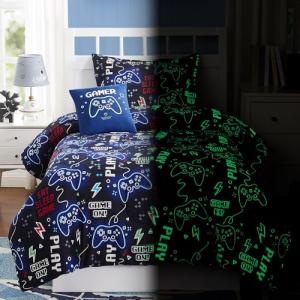
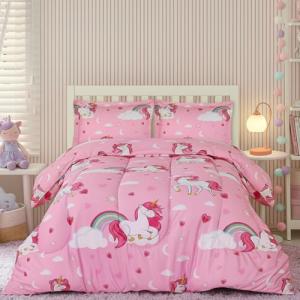
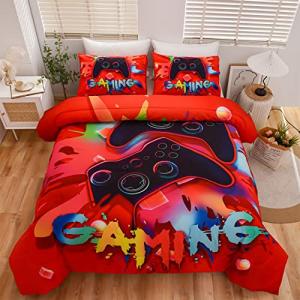
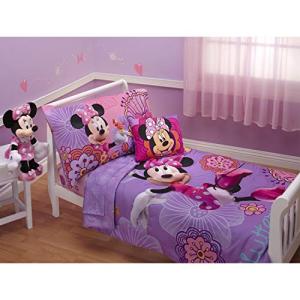
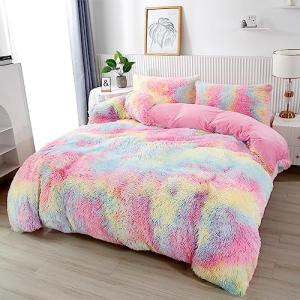
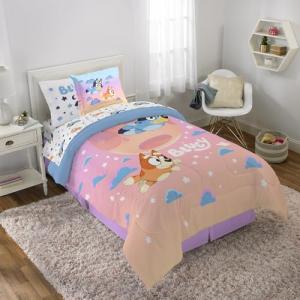
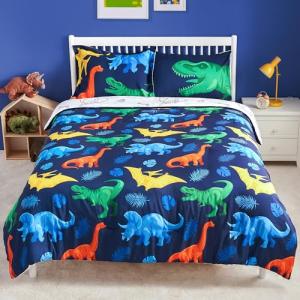
From beloved animated characters to superheroes, dinosaurs, unicorns, space explorers, and everything in between — licensed character bedding is enormously popular with young children, and for good reason. When a child loves a character deeply, having that character on their pillowcase or duvet cover transforms their bed into something magical.
The practical consideration with character bedding is longevity. Enthusiasms change, sometimes rapidly. Rather than investing in the most expensive version of a character duvet, many parents find it smarter to buy mid-range character sets and replace them as interests evolve. The bed itself — the mattress, the frame, the quality pillows — is where the long-term investment makes sense.
Themed Bedding Without a Specific Character
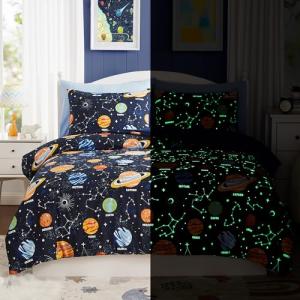
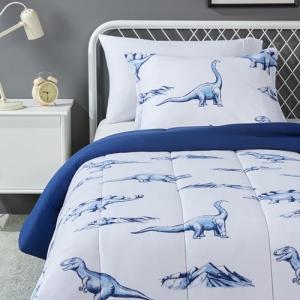
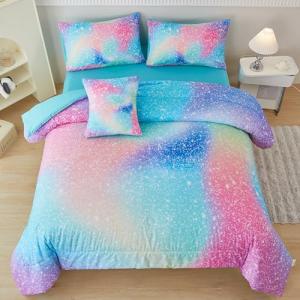
For children who don't have a specific character obsession (or whose parents prefer something with longer design life), themed bedding offers a middle ground. Themes like jungle animals, outer space, ocean creatures, woodland scenes, construction vehicles, or fairy tale landscapes give personality and visual interest without being tied to a specific licensed character that might fall out of favour.
These sets also tend to work better as children grow — a well-designed space-themed duvet cover can look equally at home in a 5-year-old's bedroom and a 10-year-old's room.
Colour and Pattern
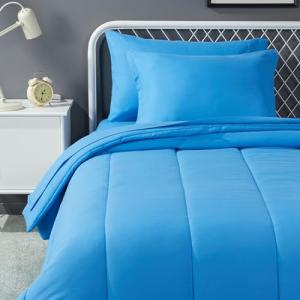
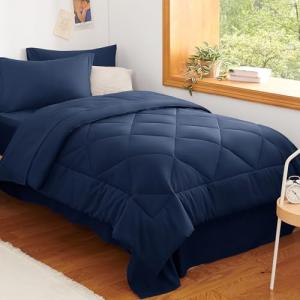
Plain or geometric bedding grows with children longer than any specific theme or character. Navy, soft sage, warm terracotta, dusty pink, bold stripes — these choices can be updated with accessories as a child's taste develops, without replacing the entire bedding set. If you're decorating a room you want to last several years without a full redesign, starting with a strong colour or clean geometric pattern and layering character cushions and accessories on top gives you much more flexibility.
Practical Tips for Buying and Caring for Kids Bedding
Buy Two Sets
This sounds obvious, but it's worth saying: always have a second set of sheets and pillowcases for every child's bed. When a stomach bug hits at 2am or a cup of juice tips over before school, having clean bedding ready immediately — rather than running a wash at midnight — is one of those small life improvements that makes an enormous difference.
Check for Safety Certifications
For younger children especially, look for the Oeko-Tex Standard 100 certification on bedding products. This certification confirms that every component of the fabric — fibres, dyes, finishing treatments — has been tested for harmful substances. It's not a guarantee of organic farming, but it is a meaningful safety benchmark that goes beyond most basic regulatory requirements.
Wash Before First Use
Always wash new bedding before putting it on a child's bed. Factory-fresh fabrics often carry residual dye, sizing agents, and packaging chemicals that can irritate skin. A standard warm wash before first use removes most of this and also gives you an early sense of how the fabric holds up in the machine.
Follow Tog Guidance Seasonally
Resist the urge to keep the same duvet on the bed all year. Overheating during sleep disrupts the sleep cycle and is one of the most common causes of night waking in children. Swapping to a lower-tog duvet in spring and summer — or simply removing the duvet and using a lightweight quilt or blanket — can make a genuinely dramatic difference in how well your child sleeps.
Finding Bedding That Lasts
The best kids bedding isn't necessarily the most expensive — it's the set that holds up wash after wash, stays soft, doesn't fade after a few cycles, and still looks good six months in. Read reviews carefully, look for brands that are transparent about their materials and certifications, and don't be afraid to choose function over flair when it comes to the foundational pieces like sheets and pillowcases.
Save the personality for the duvet cover and cushions — the pieces that are easy to swap as your child grows and changes. Build the foundation right, and a good set of kids bedding will serve you for years.
Good sleep changes everything. The right bedding won't solve every bedtime challenge — but it's a far better place to start than most people realise.