


What Is a Duvet Cover, Exactly?
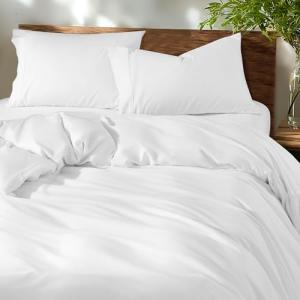
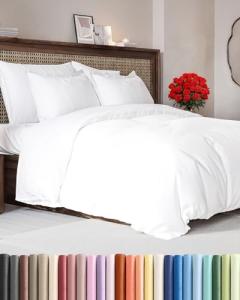
A duvet cover is a protective fabric shell that slips over your duvet insert (also called a duvet or comforter). Think of it as a giant pillowcase for your duvet. It fastens shut — usually with buttons, snaps, or a zipper — to keep the insert in place while you sleep.
The beauty of this two-piece system is that you never have to wash a bulky comforter every week. You wash the cover instead, which is far easier to toss in a regular washing machine. And when you want a completely different look in your bedroom, you swap the cover — not the whole duvet.
It's a practical, economical, and genuinely clever piece of bedding design.
Why the Material Matters More Than You Think
Walk into any bedding aisle and you'll be confronted with a wall of options. Cotton percale, sateen, linen, microfiber, bamboo — it can feel overwhelming fast. But here's the truth: fabric is the single most important factor in how a duvet cover will feel night after night.
Cotton: The Reliable Classic
Cotton is the most popular duvet cover material in the world, and for good reason. It's breathable, durable, easy to care for, and gets softer with every wash. But not all cotton is created equal.
Percale cotton is woven in a tight, one-over-one-under pattern that gives it a crisp, cool, matte finish. If you tend to sleep hot, run warm, or just love that freshly-ironed hotel-bed feel, percale is your friend. It has a slightly textured handfeel and becomes wonderfully soft over time without ever going limp or losing its structure.
Sateen cotton uses a different weave — more threads run along the surface — giving it that silky, lustrous sheen and a buttery-smooth feel against skin. Sateen is heavier than percale and drapes beautifully. It's a popular pick for people who prioritise that indulgent, luxurious sensation at bedtime. The tradeoff is that it traps slightly more heat, so hot sleepers may find it a bit much in summer.
Egyptian cotton and Pima cotton are premium long-staple varieties prized for their exceptional softness and strength. If you're investing in a duvet cover that will genuinely last years, these are worth every extra penny.
Linen: Lived-In Luxury
Linen has had a serious moment in recent years, and it deserves all the attention it's getting. Made from flax fibres, linen is incredibly breathable — more so than cotton — and has natural temperature-regulating properties that keep you cool in summer and cosy in winter.
What really sets linen apart is its texture. It starts out with a satisfying roughness that softens beautifully over months of use. That rumpled, effortlessly relaxed aesthetic linen brings to a bedroom is hard to replicate with any other fabric. It's not for everyone — if you love crisp and smooth, linen might frustrate you — but if you love relaxed, bohemian, natural interiors, it's unbeatable.
Bamboo and Microfibre: The Practical Options
Bamboo-derived fabrics (usually labelled as bamboo viscose or bamboo lyocell) are silky soft, moisture-wicking, and genuinely eco-friendly if sourced responsibly. They're a great option for sensitive skin and hot sleepers who want something softer than percale.
Microfibre is the budget-conscious choice. It's affordable, widely available, and easy to care for. It doesn't breathe as well as natural fibres, but for a guest room, a child's bed, or a starter home, it does exactly what you need it to do without breaking the bank.
Understanding Thread Count (Without Getting Fooled)
Thread count is the number of horizontal and vertical threads per square inch of fabric. It's also one of the most misunderstood numbers in bedding retail.
Here's what the industry doesn't always advertise clearly: a higher thread count does not automatically mean a better duvet cover. A 400-thread-count percale cover made from long-staple cotton will almost always feel superior to a 1,000-thread-count cover made from short-staple cotton with twisted threads artificially inflating the number.
For most quality cotton duvet covers, a thread count between 200 and 400 is the sweet spot. Below 200 can feel coarse; above 600 is often a marketing trick rather than a meaningful quality indicator. Linen is rarely measured in thread count at all — it's evaluated by weight in grams per square metre (GSM) instead.
When in doubt, trust the fabric description and the brand's reputation over the thread count number alone.
Choosing the Right Size
This sounds simple, but getting the sizing wrong is an incredibly common mistake. A duvet cover that's too small will bunch and strain; one that's too large will shift around and leave you re-tucking it every night.
Always match your duvet cover to the size of your duvet insert first, not just your bed. Standard sizes typically follow this pattern:
- Single / Twin: suits a single bed
- Double / Full: fits a standard double bed
- King: for a king-size bed
- Super King / California King: for oversized frames and generous coverage
One thing worth noting: European sizing and UK sizing differ from US sizing. If you're ordering from an international brand, double-check the exact measurements in centimetres or inches rather than relying on the size name alone.
Closure Types: The Detail Nobody Talks About (But Should)
The way your duvet cover closes matters far more than you'd expect until the first time you wrestle with a poorly designed one at midnight.
Button closures are traditional and elegant. They keep the duvet securely in place and look beautiful, but they require a little patience when making and unmaking the bed.
Snap or press-stud closures are faster and easier to operate than buttons. They're common on children's bedding and practical everyday covers.
Zipper closures are the most secure option and arguably the most convenient — one smooth motion and the cover is sealed shut. They've become increasingly popular in premium bedding lines and are particularly useful if you move around a lot in your sleep.
Envelope closures (a fabric overlap with no fastener) are minimalist and fastener-free, but the duvet can sometimes slip out if you're a restless sleeper.
Design and Colour: Making It Work for Your Bedroom
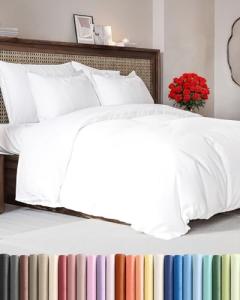
A duvet cover is the largest textile surface in your bedroom. That means your choice of colour and pattern has an outsized effect on how the whole room feels.
Start With Your Walls
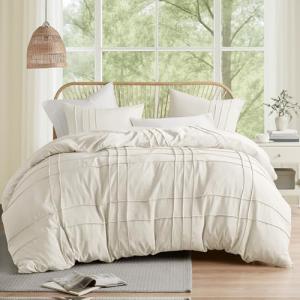
If your walls are bold or patterned, a solid duvet cover in a complementary tone will ground the room without competing for attention. If your walls are neutral — white, cream, grey — you have the freedom to go bolder with your bedding.
Consider the Light in Your Room
North-facing rooms with cooler light tend to benefit from warm-toned bedding: creams, ochres, warm greys, dusty roses. South-facing rooms flooded with natural light can handle cooler tones — blues, sage greens, crisp whites — without feeling cold or clinical.
Solid vs. Patterned
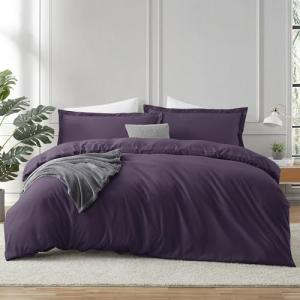
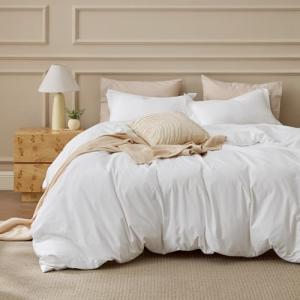
Solid duvet covers are timeless, versatile, and easy to style. They work in almost any bedroom and won't date quickly. If you change your cushions, throws, and accessories often, a solid cover gives you the flexibility to refresh the look without replacing the bedding.
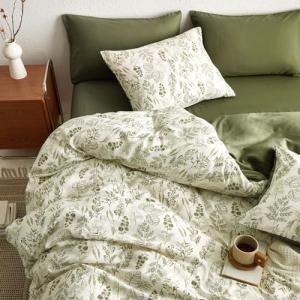
Patterned duvet covers — stripes, florals, geometric prints, abstract designs — add personality and can anchor a bedroom's entire aesthetic. The key is committing to the pattern rather than trying to match it to too many competing elements. Let the pattern lead; let everything else support it.
How to Care for Your Duvet Cover Properly
Even the most beautiful duvet cover will deteriorate quickly if you don't care for it correctly. The good news is that proper care isn't complicated.
Wash regularly. Most people should wash their duvet cover every one to two weeks. More frequently if you're ill, have pets that sleep on the bed, or sweat heavily at night.
Follow the label. This sounds obvious, but it's easy to ignore. Linen especially can shrink or lose its finish if washed too hot. Most cotton and bamboo covers do well at 40°C; linen often prefers 30°C or a cool gentle cycle.
Don't overload the machine. A duvet cover needs room to move in the drum to wash and rinse properly. If your machine is too small, use a laundromat with a larger capacity machine.
Dry carefully. Tumble drying on a low heat setting is fine for most cotton covers. Linen is best line-dried or tumble-dried briefly and removed slightly damp to minimise wrinkles. Avoid high heat, which weakens fibres over time.
Iron if you want, but it's not mandatory. Percale cotton does look stunning when ironed. Linen is traditionally left with its natural crinkle. Sateen tends to look polished even without ironing.
How Many Duvet Covers Do You Actually Need?
The honest answer: at least three.
One on the bed. One in the wash. One as a spare for guests or seasonal changes.
This rotation means you always have a clean cover ready without rushing through a laundry cycle. If you have children or pets sharing the bed, four covers per bed is a more comfortable buffer.
Matching Your Duvet Cover to the Season
One of the underrated advantages of the duvet cover system is how easily it lets you adapt to the seasons without buying entirely new bedding.
In summer, pair a lightweight cotton or bamboo cover with a low-tog insert. Choose a lighter colour palette — pale blues, warm whites, soft greens — to reinforce that cooler feeling visually.
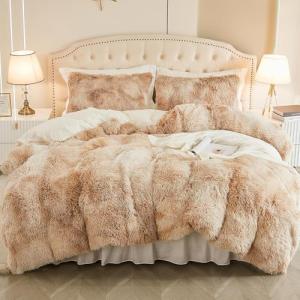
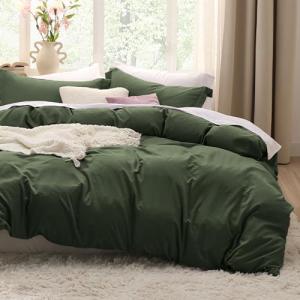
In winter, opt for a warmer-weight fabric — heavier cotton sateen, flannel, or brushed cotton — paired with a high-tog duvet for maximum warmth. Deeper colours and richer tones (teal, burgundy, slate, forest green) suit the season and create that cocooning atmosphere that makes winter bedtime genuinely something to look forward to.
The average person spends around a third of their life in bed. The duvet cover is what you're touching for most of that time. It shapes the look of your bedroom every single day and plays a real role in how well you sleep.
The best duvet cover for you isn't necessarily the most expensive one, or the one with the highest thread count, or the one that looks most impressive in a product photo. It's the one made from a fabric that suits how you sleep, in a size that fits your bed properly, with a design you'll still love in three years, and a care routine you'll actually stick to.
Buy well once, take care of it properly, and a great duvet cover will reward you every single night for years to come.