What Is a Bed Skirt?
A bed skirt — sometimes called a dust ruffle — is a piece of fabric that wraps around the sides and foot of a bed, covering everything below the mattress level down to the floor. It typically consists of a flat platform that sits between your mattress and box spring (or bed frame), with a decorative skirt panel that hangs down on the three exposed sides of the bed.
The name "dust ruffle" comes from an older, more practical purpose: in the days before vacuum cleaners, these fabric panels helped keep dust and debris from accumulating under the bed. While that function still holds today — especially if you use under-bed storage — modern bed skirts are just as much about aesthetics as they are about utility. They provide a clean, finished look that ties the whole bedroom together.
Why a Bed Skirt Actually Matters
You might be wondering whether a bed skirt is really worth the effort. After all, you could just push storage bins further under the bed and call it a day. But here's the thing: the space under your bed is one of the most visually prominent parts of the room when you're standing in the doorway. It's one of the first things the eye travels to after taking in the overall layout.
A well-chosen bed skirt performs several jobs at once. It hides whatever you're storing under the bed — whether that's extra bedding, out-of-season clothes, or boxes you haven't unpacked since you moved in. It covers exposed bed frame hardware and legs that would otherwise interrupt the visual flow of the room. And perhaps most importantly, it grounds the bed visually, making it look like a proper anchor piece of furniture rather than something floating above the floor.
Beyond looks, bed skirts also act as a practical barrier against dust accumulation under the bed. If you've ever pulled out a storage bin from under a bed only to find it coated in a layer of grey fuzz, you know how quickly that space attracts debris. A bed skirt slows that process considerably and makes cleaning feel a little less daunting.
The Different Styles: Finding What Works for Your Space
Tailored / Pleated Bed Skirts
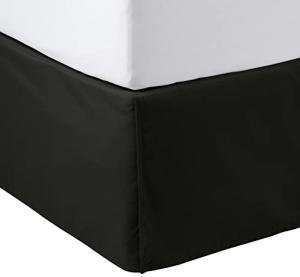
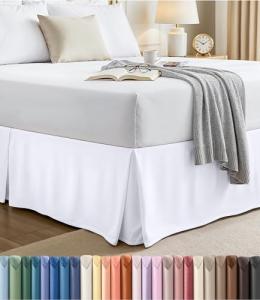
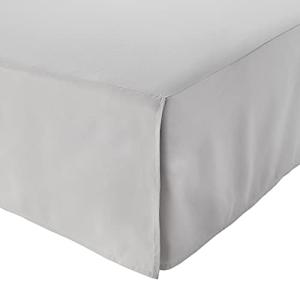
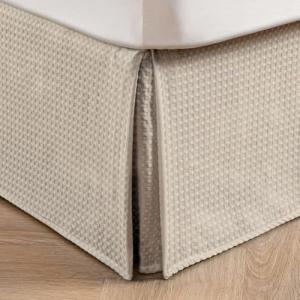
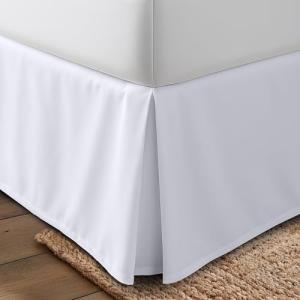
If your bedroom leans toward the classic, traditional, or formal end of the spectrum, a tailored or pleated bed skirt will feel right at home. These styles feature crisp, structured pleats — either box pleats or knife pleats — at the corners and sometimes along the full length of the skirt. The result is clean, neat, and precise. Tailored bed skirts work particularly well in guest rooms, master bedrooms with more formal furniture, or any space where you want a polished, hotel-like finish.
Ruffled / Gathered Bed Skirts
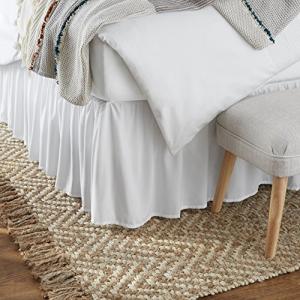
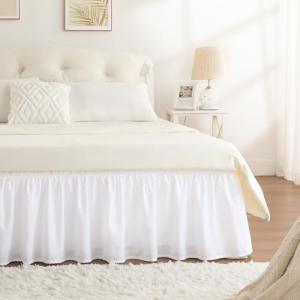
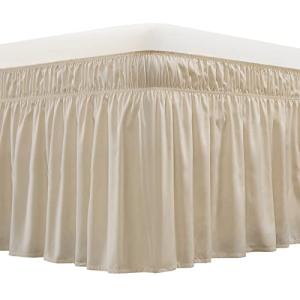
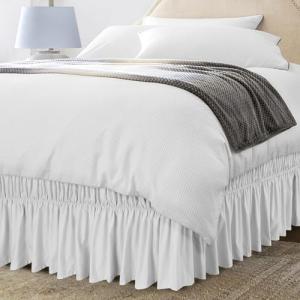
Ruffled bed skirts have a softer, more romantic feel. The fabric is gathered along the top and falls in gentle folds, creating a look that suits cottage-style rooms, farmhouse interiors, or any bedroom that has a light, airy quality. These tend to work beautifully in lighter fabrics — cotton voile, linen blends, or soft percale — where the gathering creates movement and texture rather than stiffness.
Split-Corner Bed Skirts
One practical innovation in bed skirt design is the split corner. Traditional bed skirts can be frustrating to deal with when you have a bed with a footboard, side rails, or other frame components that get in the way. Split-corner skirts are designed with gaps at each corner so you can easily tuck them around the frame without wrestling with the fabric. They're also easier to remove for washing, which is a small but genuinely appreciated convenience.
Wrap-Around Bed Skirts
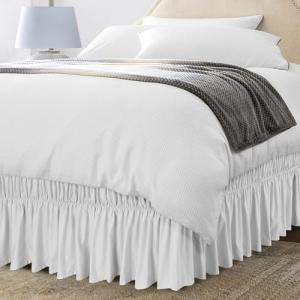
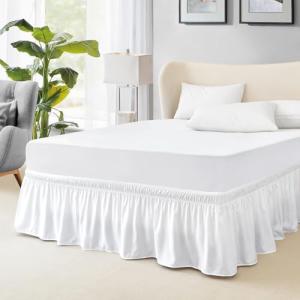
A wrap-around bed skirt is essentially the same concept as a fitted sheet — instead of sitting under the mattress, it wraps around the box spring or platform base using elastic. This makes them incredibly easy to put on and take off, and they tend to stay in place much better than traditional styles. If you've ever experienced the frustration of your bed skirt shifting every time someone sits on the edge of the bed, a wrap-around version might be exactly what you need.
Simple Drop / Flat Panel Bed Skirts
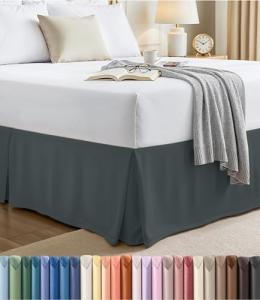
For modern, minimalist, or Scandinavian-style bedrooms, a clean drop panel with no ruffles or pleats offers the most understated look. These skirts hang straight down in a smooth curtain of fabric, creating a contemporary appearance that doesn't compete with the rest of the room's design. They pair especially well with platform beds and low-profile furniture.
Choosing the Right Drop Length
Drop length refers to how far the skirt hangs from the top of the box spring or platform to the floor. Getting this measurement right is probably the most important practical consideration when buying a bed skirt.
Standard drop lengths are typically around 14 to 15 inches, which suits most traditional bed setups with a box spring and mattress on a standard frame. However, bed heights vary considerably depending on your setup. Platform beds sit closer to the ground and may need a shorter drop of 7 to 10 inches. Beds on tall frames or with added risers might require a drop of 18 to 21 inches or more.
Before you buy, measure the distance from the top of your box spring (or the top of your platform base) down to the floor. Always measure in multiple spots along the bed, since floors aren't always perfectly level. The goal is for the skirt to just graze the floor — not drag on it in a pile, and not hover awkwardly above it.
Materials and Fabrics: What to Look For
Cotton
Cotton bed skirts are the most versatile and widely available option. They wash well, hold their shape over time, and come in an enormous range of colors and patterns. A higher thread count cotton will drape more smoothly and feel more luxurious, while a lighter cotton weave has a more casual, relaxed quality.
Linen
Linen bed skirts have a beautiful natural texture that adds warmth and character to a bedroom. They tend to wrinkle, but many people consider that part of the charm — it creates an effortlessly lived-in look that's very much in keeping with current interior design trends. Linen is also durable and gets softer with each wash.
Polyester and Blends
Polyester and poly-blend bed skirts are budget-friendly and wrinkle-resistant, making them a practical choice if you want something low-maintenance. The tradeoff is that they can sometimes look a little less refined than natural fiber options. That said, quality blends have improved considerably, and many are virtually indistinguishable from cotton at a glance.
Velvet and Heavier Fabrics
For a bedroom that leans into richness and texture, a velvet bed skirt makes a striking statement. These work particularly well in jewel-toned colors — deep navy, forest green, burgundy — and give the bed a genuinely luxurious, layered appearance. They're better suited to cooler climates or rooms that you want to feel cozy and enveloping.
How to Match Your Bed Skirt to Your Bedroom
The safest approach is to match your bed skirt to your sheets or duvet cover. A coordinating color or pattern creates a cohesive, intentional look without much effort. White and cream bed skirts are universally versatile and work with almost any color scheme — they're a reliable default if you're unsure.
If you want something with more visual interest, consider treating the bed skirt as you would an accent piece. A subtly patterned skirt — a thin stripe, a simple geometric, a tone-on-tone texture — adds depth without overwhelming the room. Bolder patterns can work well in rooms with otherwise simple, neutral bedding, where the skirt becomes a quiet focal point.
Matching the fabric texture to the overall mood of the room is also worth thinking about. A crisp cotton skirt suits a light, fresh bedroom. A linen skirt complements a relaxed, natural interior. A velvet or jacquard skirt belongs in a room with richer, more layered decor.
Caring for Your Bed Skirt
Most cotton and linen bed skirts can be machine washed on a gentle cycle in cold water. Tumble dry on low and remove promptly to minimize wrinkles. If ironing is needed, most cotton bed skirts respond well to a medium-heat iron while slightly damp.
For velvet or heavier decorative fabrics, check the care label carefully — some require dry cleaning or spot treatment only. Polyester blends are typically the easiest to care for and can often be washed and dried without any special handling.
It's worth washing a bed skirt before using it for the first time to pre-shrink the fabric and soften any manufacturing stiffness. This also ensures the drop length stays accurate after laundering.
Common Mistakes to Avoid
One of the most frequent mistakes when buying a bed skirt is skipping the measurement step. Even if you think you know your bed height, it's worth taking thirty seconds to measure. A skirt that's even a couple of inches too long will bunch on the floor and look sloppy; one that's too short will leave a visible gap.
Another common mistake is buying a bed skirt in a size that matches the mattress rather than the box spring. On most traditional beds, the mattress overhangs the box spring slightly, so the skirt is sized to the box spring dimensions. If you have a platform bed with no box spring, measure your platform base instead.
Finally, don't forget to factor in accessibility. If you regularly access under-bed storage, a wrap-around or split-corner style will save you a lot of frustration compared to a traditional tuck-under design.
A bed skirt is one of those bedroom additions that's easy to overlook until you have one — and then you wonder how you ever managed without it. It's a small investment that pays off every time you walk into your room. The bed looks finished. The room looks considered. The chaos under the frame disappears behind clean fabric, and suddenly the whole space feels more like a bedroom and less like a place where your furniture just happens to be.
Whether you go for something crisp and tailored, softly gathered, or sleekly minimal, the right bed skirt brings the kind of quiet polish that makes a room genuinely feel like home.