

What Exactly Is a Bed Runner?
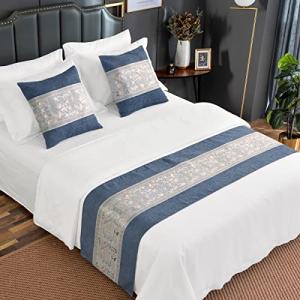
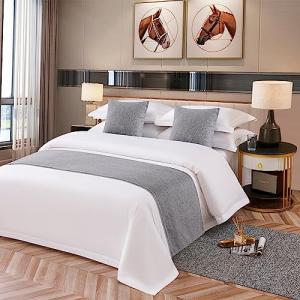
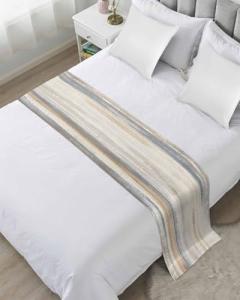
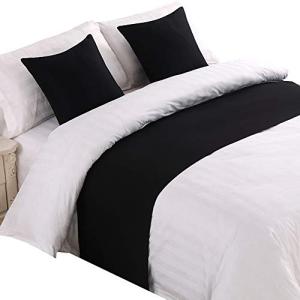
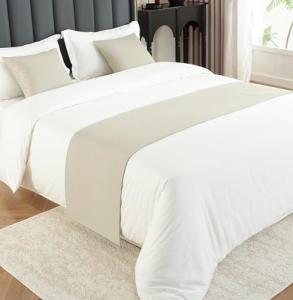
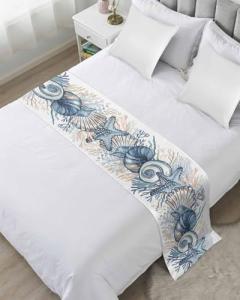
A bed runner is a long, narrow strip of fabric that runs across the width of your bed — typically positioned at the foot. It sits on top of your duvet, comforter, or bedspread, adding a layer of colour, texture, or pattern that anchors the whole look. Bed runners are sometimes called bed scarves, and while the terms are often used interchangeably, there's a subtle distinction worth knowing.
A bed runner tends to be structured and fitted, designed to lie flat and neat across the foot of the bed. A bed scarf is usually a bit more fluid and relaxed — it drapes, folds, and flows more naturally, sometimes hanging over the sides of the mattress. Think of a bed runner as the tailored blazer of bedroom accessories, and a bed scarf as the cashmere wrap: both serve a similar function, but they bring a different energy to the room.
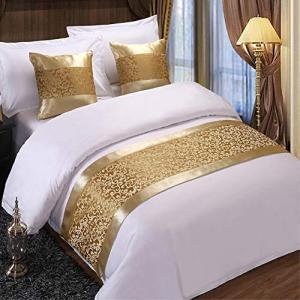
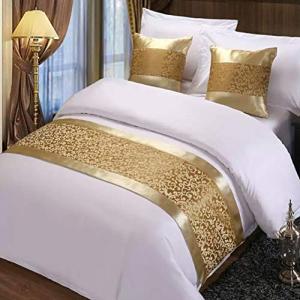
Both are available in a huge range of fabrics, from crisp cotton and linen to plush velvet, jacquard weaves, faux fur, silk blends, and embroidered textiles. The choice of material alone can shift the atmosphere of your entire bedroom — from cool and airy to warm and luxurious, from casual and relaxed to formally elegant.
Why Bother? The Real Value of a Bed Runner
This is the question people ask, and it's a fair one. Your bed already has sheets, a duvet, and probably a stack of cushions. Why add another layer?
Because a bed runner doesn't just decorate — it solves problems.
It pulls a room together. One of the most common issues in bedroom styling is that things feel a little disconnected. The curtains don't quite talk to the duvet, the throw cushions feel random, the overall palette feels scattered. A bed runner can act as a unifying element, picking up threads of colour or texture from elsewhere in the room and weaving them visually into your bed.
It protects your bedding. This is the practical side that often gets overlooked. If you have pets that love to curl up at the foot of the bed, or if you frequently sit on the end of the bed to put on shoes or watch TV, a bed runner takes the wear and tear so your expensive duvet doesn't have to. It's easy to wash and easy to replace — your bedding underneath stays pristine.
It adds warmth without bulk. Sometimes you don't need a full blanket, but you want a little extra comfort at your feet overnight. A bed runner gives you that without piling on unnecessary layers.
It makes your bed look hotel-ready every single day. There's something about a bed runner that gives a bed that finished, made-up look even when the rest of the room isn't perfectly tidy. It's visual shorthand for "this bed has been considered."
It lets you refresh the look affordably. Replacing a duvet cover or bedspread is a significant investment. Swapping out a bed runner is not. With a handful of runners in different colours and textures, you can give your bedroom a completely different feel for each season — or whenever the mood strikes — without spending a fortune.
Choosing the Right Style for Your Bedroom
Classic and Traditional
If your bedroom leans toward traditional aesthetics — antique furniture, rich wood tones, layered textures, symmetrical arrangements — look for bed runners in deep jewel tones or warm neutrals. Burgundy, navy, forest green, and caramel all work beautifully. Jacquard weaves with subtle geometric or floral patterns are perfectly at home in this setting, as are runners with decorative fringing or tasselled ends. The key here is richness: fabrics that have weight and visual depth.
Contemporary and Minimalist
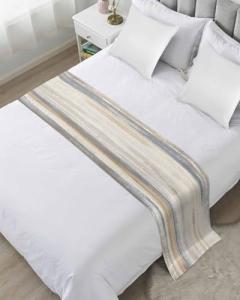
For modern, pared-back bedrooms, a bed runner should feel intentional without being loud. Consider a runner in a single solid colour that either matches your bedding for a tonal, layered look, or contrasts gently to create quiet definition. Linen and cotton runners work especially well here — they have enough texture to be interesting without feeling overdressed. Keep the ends clean and simple: no fringe, no embellishment.
Bohemian and Eclectic
Bed scarves come into their own in boho-styled spaces. Here you can lean into patterns — ikat, block print, kilim-inspired designs — and mix materials freely. A fringed cotton scarf draped loosely across the bed feels relaxed and lived-in. Layering a lighter scarf over a heavier runner can add that perfectly imperfect, collected-over-time quality that defines the boho aesthetic.
Luxurious and Hotel-Inspired
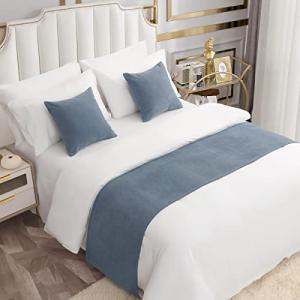
If you're going for that five-star hotel bedroom feel, velvet is your best friend. A deep velvet bed runner in charcoal, slate blue, or champagne instantly elevates the look. Pair it with crisp white bedding and a few carefully chosen cushions, and the effect is genuinely stunning. Silk and satin-finish runners also deliver serious luxury — they catch the light beautifully and have an inherent sense of occasion.
Seasonal and Festive
Bed runners are one of the easiest ways to mark the seasons in your home. A lightweight cotton or linen runner in pale florals feels right for spring and summer. Come autumn, swap it out for something in rust, amber, or ochre — perhaps with a woven texture or a subtle check. In winter, go for velvet, faux fur, or a thick wool-blend runner that makes the whole bed feel like a warm, inviting nest. At Christmas, a rich red or tartan runner transforms the bedroom into something genuinely festive.
Getting the Sizing Right
One of the most common mistakes people make with bed runners is getting the size wrong. Too short, and it looks lost on the bed. Too narrow, and it loses visual impact.
As a general guide:
The length of a bed runner should match the width of your mattress, with enough extra — usually 15 to 30 centimetres on each side — to drape or fold over the edges if you prefer that look. For a more fitted, hotel-style placement that sits neatly on top without hanging over, matching the mattress width closely is usually ideal.
The width of the runner should be roughly one-third the length of your bed. On a standard double or queen-size bed, this typically means somewhere between 50 and 70 centimetres. On a king-size bed, you can go a little wider to maintain proportion.
For bed scarves, the rules are more relaxed — because the drape is part of the look. A scarf that's generously sized and loosely folded at the foot of the bed is entirely intentional and can look wonderfully considered.
Fabric Guide — What to Look for and Why It Matters
The fabric you choose for your bed runner does a lot of the heavy lifting, both aesthetically and practically.
Cotton is the most versatile choice. It's easy to wash, holds colour well, looks good in almost any setting, and gets better with each wash. A cotton canvas runner has a relaxed, natural quality; a tightly woven cotton feels crisper and more tailored.
Linen is the choice for anyone who loves that effortlessly cool, slightly rumpled aesthetic. Linen runners have wonderful texture and breathe beautifully, making them ideal for warmer months. They wrinkle easily, but in linen, that's a feature, not a flaw.
Velvet brings instant richness and depth. It's tactile, it's warm, and it photographs beautifully. Velvet runners do require a little more care — they're best kept away from prolonged sun exposure and should be brushed gently to maintain their pile.
Jacquard refers to a weaving technique that creates patterns within the fabric itself, rather than printed on top. Jacquard runners have incredible longevity because the pattern never fades or peels. They also tend to feel substantial and well-made.
Faux fur and sherpa bring warmth and playfulness. These are perfect for children's rooms, or for anyone who wants to add a cosy, tactile element to their bedroom in winter. They're also brilliant at hiding pet hair — a practical bonus if you share your bed with a furry companion.
Silk and satin blends are the choices for pure luxury. They're cool to the touch, luminous in the light, and bring an undeniable sense of occasion. They require more careful handling and washing, but the effect is worth it.
How to Style a Bed Runner — Practical Tips
Placement. The most common placement is across the foot of the bed, positioned about a third of the way up from the bottom. This leaves most of your beautiful duvet or bedspread visible while grounding the composition. Some people prefer to fold the runner and lay it flat across the very foot of the bed; others let it drape naturally. Both work — choose based on whether you want a tailored or relaxed look.
Layering. Don't be afraid to layer. A bed runner sits beautifully over a throw or blanket that's been loosely folded at the foot of the bed. The contrast of textures — a smooth runner over a chunky knit, for example — adds visual richness.
Matching vs. contrasting. Neither is wrong. A runner that closely matches your bedding creates a serene, tonal look. A contrasting runner adds punctuation and energy. If your bedding is patterned, choose a solid runner. If your bedding is plain, a patterned runner is a safe and effective way to add interest.
The cushion connection. If you use decorative cushions on your bed, pick up a colour from your cushions in your runner, or vice versa. This small act of visual repetition is what ties a bedroom's look together into something that feels genuinely designed.
Caring for Your Bed Runner
Most bed runners and scarves are straightforward to care for, but it's always worth checking the label. Cotton and linen runners are typically machine washable on a cool or gentle cycle. Velvet is usually best dry cleaned or hand washed with great care. Faux fur runners can generally be machine washed on a gentle cycle with cold water.
Store any runners not in use loosely folded or rolled — not compressed tightly — to preserve their shape and texture. If your runner has developed wrinkles from storage, a light steam usually brings it back beautifully.
The Detail That Makes the Difference
Bed runners and scarves occupy a quiet but significant corner of home textiles. They're not the most dramatic purchase you'll ever make for your bedroom, and they rarely attract the kind of attention that a statement headboard or a gorgeous rug commands. But they do something arguably more important: they complete the picture.
The difference between a bed that looks fine and a bed that looks finished is often something small. A considered detail. A deliberate choice. A bed runner is exactly that kind of detail — the kind that guests notice without quite knowing why, the kind that makes you feel just a little more pleased with your room every time you walk into it.
In the end, that quiet satisfaction is exactly what good home design is for.